June 2026 Edition
E-CACS June 2026 Newsletter
A special feature recap of the June 6 E-CACS Annual Conference and 45th Anniversary Celebration at Rutgers (“Innovating Chemistry Together: 45 Years of Excellence”), with keynotes, parallel sessions, and award winners, a member highlight on Dr. Longqin Hu of Rutgers, academic news on ATEV-mediated immunotherapy and a pan-cancer DNT-cell atlas, and an industry roundup spanning the El Agente Seguro chemistry safety agent, cosmetics & personal care, process & R&D innovation, and Apotex’s record Toronto IPO.
Editor's Note
June Issue Chief Editor: Chongsong Xu
Welcome to the June 2026 edition of the E-CACS Newsletter! This has been a historic month for our community, and we are thrilled to share the highlights of our featured event: on Saturday, June 6, 2026, we successfully hosted the E-CACS Annual Conference and 45th Anniversary Celebration at Rutgers University. The event turned out to be a spectacular success. An achievement of this scale would not have been possible without the support of our distinguished guest speakers and sponsors, the dedication of our Executive Committee (EC) members and volunteers, and the engagement of all our attendees. To capture the energy, insights, and unforgettable moments of this milestone event, we have dedicated a Special Feature Column in "What's New in E-CACS" to take you through the complete journey of the symposium.
In this issue, our Member Highlight proudly features Dr. Longqin Hu, Professor and Chair of the Department of Medicinal Chemistry at Rutgers University's Ernest Mario School of Pharmacy. We are honored to recognize Dr. Hu for his extraordinary contributions to scientific innovation within academia, as well as his long-standing support of E-CACS.
Our popular "What's New in Chemistry" column returns with fresh updates from the cutting edge of both academia and industry. This month, we bring you the latest breakthroughs spanning Pharmaceuticals & Biotechnology, Cosmetics & Consumer Goods, and Molecular AI.
Finally, we would like to express our sincere gratitude to MetwareBio in our Sponsor Highlight.
What's New in E-CACS
Special Feature: The 2026 E-CACS Annual Conference Recap
Contributors: Minzhu Zou, Yankun Chen, Xiaoshuai He, Emma Jing, Sherry Li, Chongsong Xu, Xing Yin
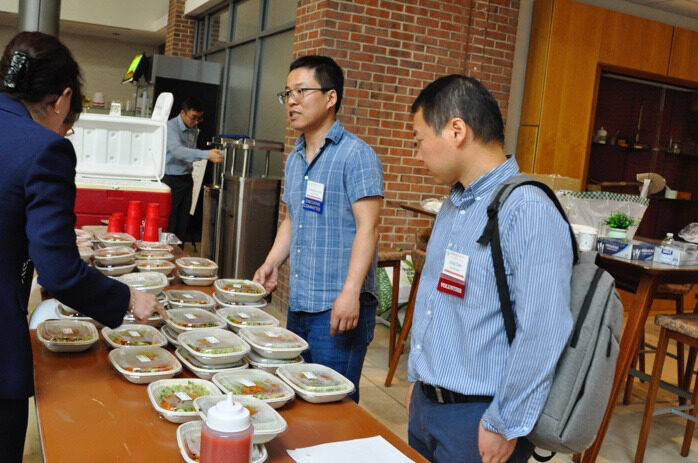
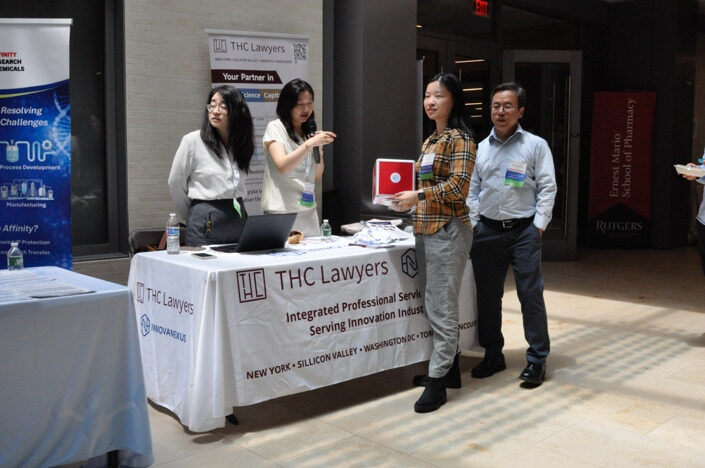
The E-CACS Annual Conference was successfully held on June 6, 2026, at Rutgers University's Ernest Mario School of Pharmacy in Piscataway, New Jersey. This year's meeting theme, "Innovating Chemistry Together: 45 Years of Excellence," celebrated both the 45th anniversary of E-CACS and the 150th anniversary of the American Chemical Society.
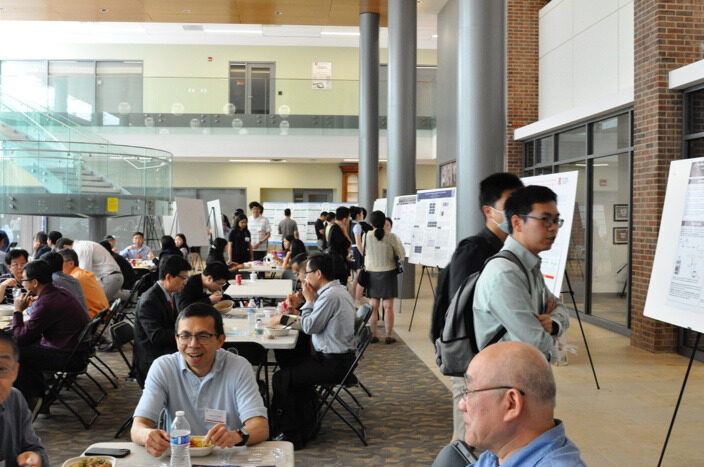
The symposium featured keynote lectures, technical sessions, poster presentations, vendor exhibitions, career development activities, and networking opportunities across a wide range of chemistry-related industries and research areas. Afternoon sessions included topics such as consumer health & personal care innovation, AI in pharmaceuticals, medical devices, and emerging technologies. The event provided an excellent opportunity for scientists, students, and industry professionals to connect, learn about current innovation trends, and expand professional networks.
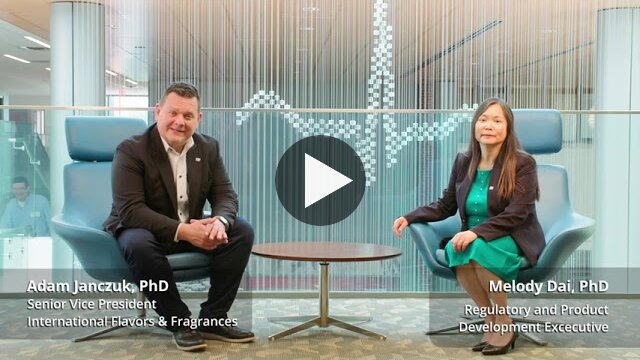
▶ Watch the 2026 E-CACS Annual Conference highlight video on YouTube.
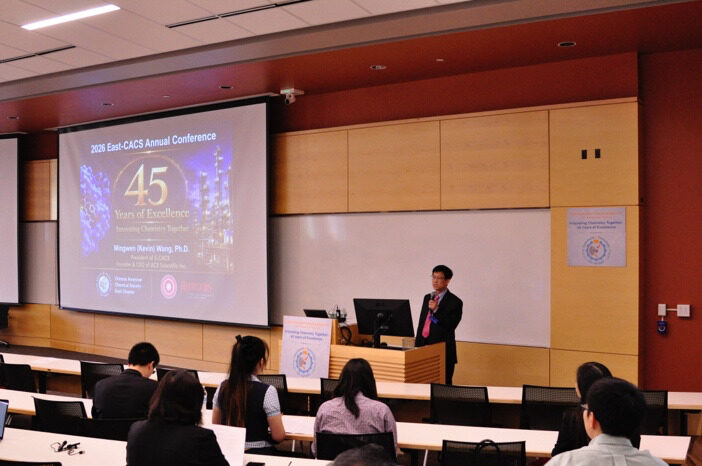
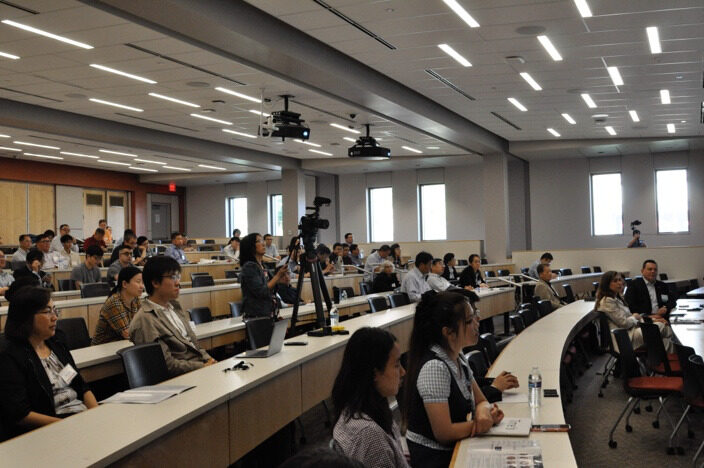
Opening Remarks
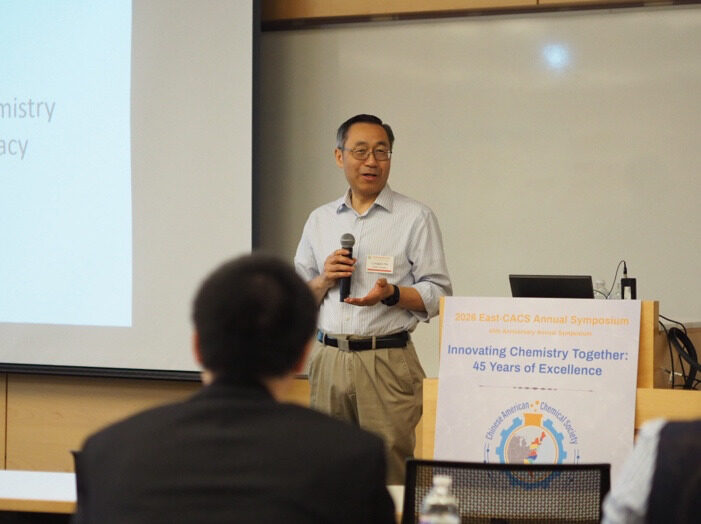
2026 East-CACS President Dr. Mingwen (Kevin) Wang introduced the programs, emphasizing core focus areas in sustainability, AI in Pharma, medical devices, consumer health, and materials innovation. Prof. Longqin Hu detailed the historical relationship between East-CACS and Rutgers University, and ACS President Prof. Rigoberto Hernandez shared an inspiring video presentation wishing the symposium great success.
Keynote Speaker Sessions
Dr. Chao-Jun Li (McGill University): Presented "Exploring New Reactivities Towards Sustainable Chemical Synthesis," illustrating a 30-year effort to build a greener toolbox for synthetic chemistry. By replacing organic solvents with water, his group unlocked catalytic additions of terminal alkynes, aldehyde-alkyne-imine (A³) reactions on sugars, and direct biomass conversions. His work bypasses traditional organometallic constraints, such as toxic halide wastes and functional protections.
Elena Polansky, MS (Somerset Solutions Advisory Partners): Focused on "Getting Through the Doors with Relationships." Sharing a "5-Move networking playbook," she noted that 70–85% of professional roles are filled via networking rather than job boards, highlighting that internal referrals make candidates three times more likely to land an interview. She also emphasized career paths in strategic sourcing, where clinical supply chain decisions make or break pharmaceutical pipelines.
Dr. Adam Janczuk (SVP, International Flavors & Fragrances): Presented "From Molecules to Meaning: The Chemistry of Flavor in the Age of Biotechnology and AI." Outlined how flavor science addresses population growth and food scarcity. He detailed IFF's use of precision fermentation, enzymes, and bio-based feedstocks to design nutritious, sustainable food products aligned with shifting consumer preferences and GLP-1 weight-loss trends.
Dr. Sharon Feng (VP, ChemQuest): Presented "Materials Innovation for a Sustainable Future: Market Drivers, Technology Frontiers, and Industry Response." Discussed materials science driven by circular metrics. Key examples included PPG Industries' low-bake automotive coatings that drastically cut energy use in paint shops, digital paint application methods, and scalable sodium solid-state battery research from the University of Chicago Energy Transition Network.
Parallel Panelist Sessions
Session 1A: Consumer Health & Personal Care Innovation Co-hosted with CACPA | Chairs: Dr. Guangru Mao & Dr. Qihong Zhang
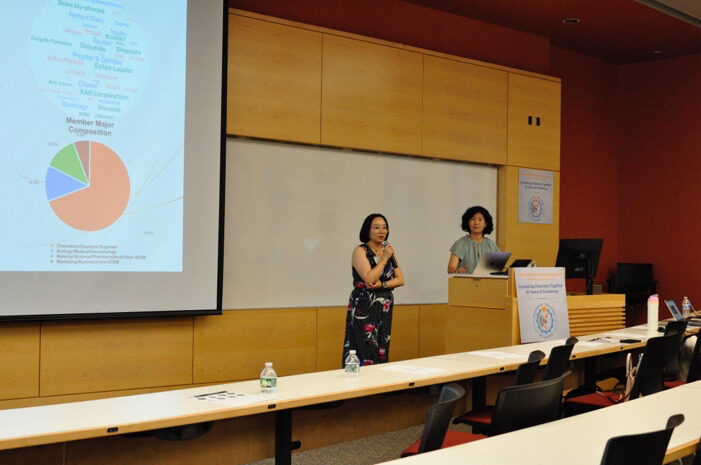
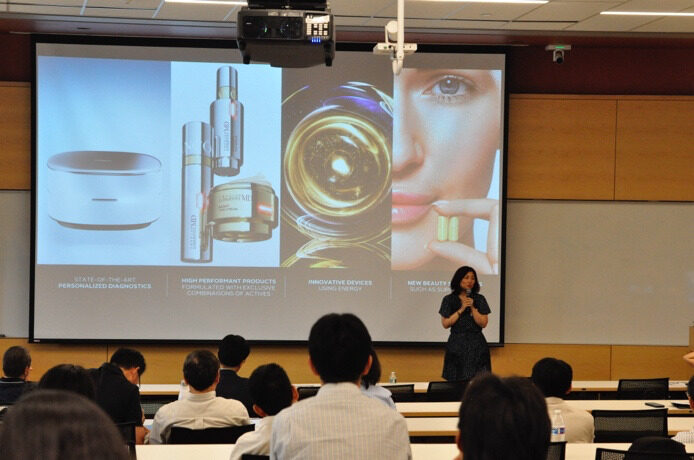
Dr. Qihong Zhang detailed the expansion of the Chinese American Cosmetic Professional Association (CACPA) to 300 global members. Dr. Jianwen Mao (AHB) provided a macroeconomic overview, observing that while Europe undergoes chemical capacity closures, the US specialty chemical sector is recovering, with agile boutique enterprises successfully outperforming large-cap multinationals. Bridging labs to markets, Dr. Catherine Mack (Haleon) illustrated a framework translating randomized controlled trials tracking multivitamin (Centrum) cognitive benefits into clear, consumer-facing claims. Dr. Chunhua Li (L'Oréal) shared a strategic pivot toward molecular "longevity" prevention, utilizing a $1.3 billion R&D pipeline that features an AI Cloud mapping 267 distinct biomarkers.
Session 1B: Medical Device Co-hosted with Johnson & Johnson MedTech | Chair: Dr. Yijun Lu
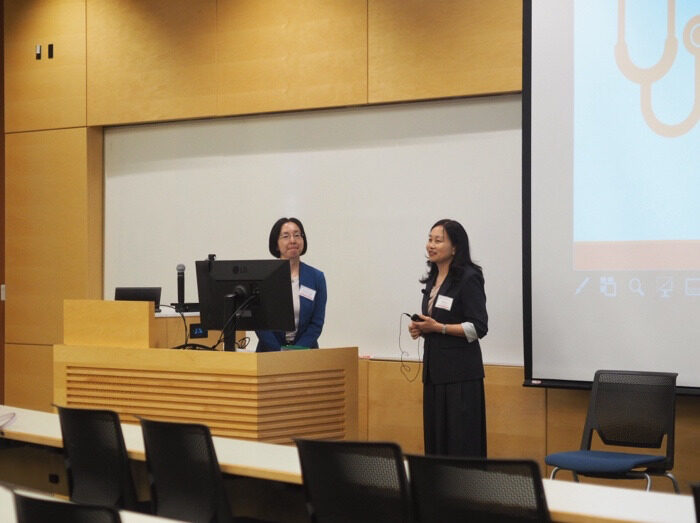
Dr. Qiuwei Feng emphasized how regulatory affairs play a critical role in guiding products from development through approval and post-market management, ensuring safety, effectiveness, and compliance across global markets. Dr. Yijun Lu emphasized the importance of strategic marketing in MedTech. Examples from Johnson & Johnson MedTech were provided to demonstrate the wide range of products in the medical device industry, including orthopedic implants, cardiovascular devices, neurovascular technologies, surgical products, and advanced hemostatic materials used to control bleeding during surgery. Benjamin McGovern, MBA, mentioned that while AI can automate tasks such as complaint triage, signal detection, and risk forecasting, speakers stressed that human oversight remains essential to ensure accountability and patient safety. Overall, the conference highlighted the increasing integration of technology, regulation, quality, and business strategy in shaping the future of MedTech.
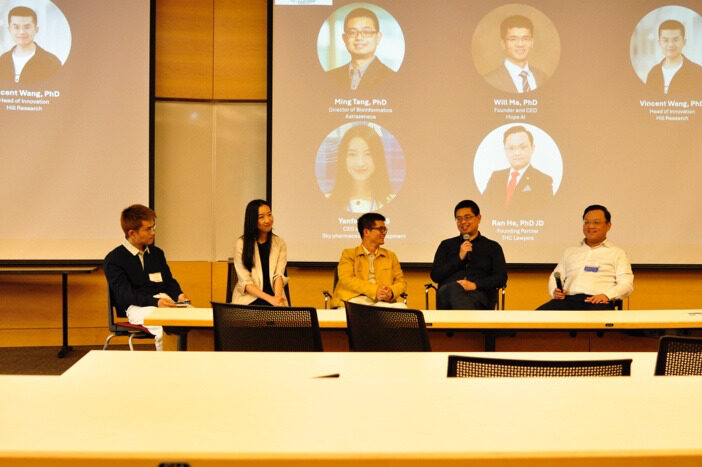
Session 2A: AI in Pharmaceuticals Chair: Dr. Ran He, JD
Dr. Ming Tang (AstraZeneca) evaluated AI tools across biology and operational processes. While platforms like AlphaFold excel at structure prediction, 75% of clinical candidates still fail due to systemic toxicity, a problem AI cannot yet reliably resolve. AI remains a productivity multiplier rather than a total wet-lab replacement. Dr. Will Ma (Hope AI) introduced AI-driven covariate adjustments to filter baseline statistical noise, highlighting FDA-supported adaptive sample sizing and the generation of synthetic patient cohorts to replicate survival trials without accessing raw proprietary files. Panelists predicted that within 3 years, 60% of standard computer digital operations will be entirely automated via back-end AI coding. Generating standard Tables, Listings, and Figures (TLFs) for FDA submissions can now be shortened from months to a single hour using specialized generative AI models.
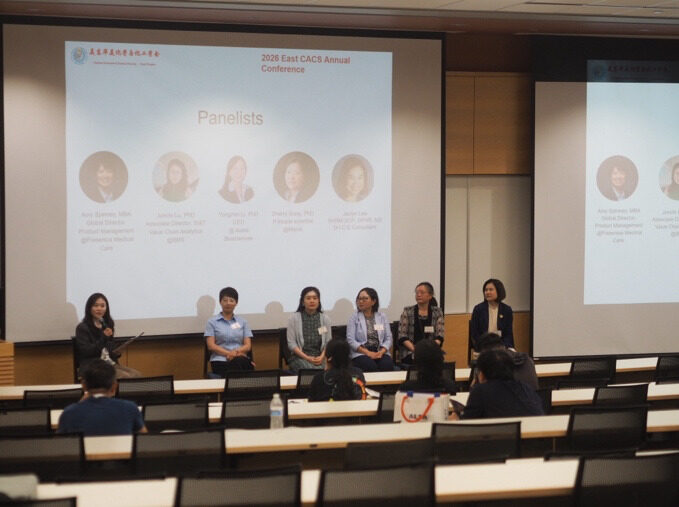
Session 2B: Career Development Chairs: Dr. Lijuan Wang, Dr. Jiatong Liu
During the Career Workshop, Amy Spinney spoke on the theme "Be Intentional: Make Your Value Seen," advising that high performance alone is rarely sufficient without intentionally fostering visibility and building long-term, non-transactional professional trust. Junchi Lu shared her trajectory toward becoming an AI Architect, stressing that domain expertise remains invaluable for building trustworthy, explainable AI platforms. The closing mini-panel reinforced that modern technical careers are non-linear, urging professionals to step outside comfort zones and proactively embrace change.
Awardees
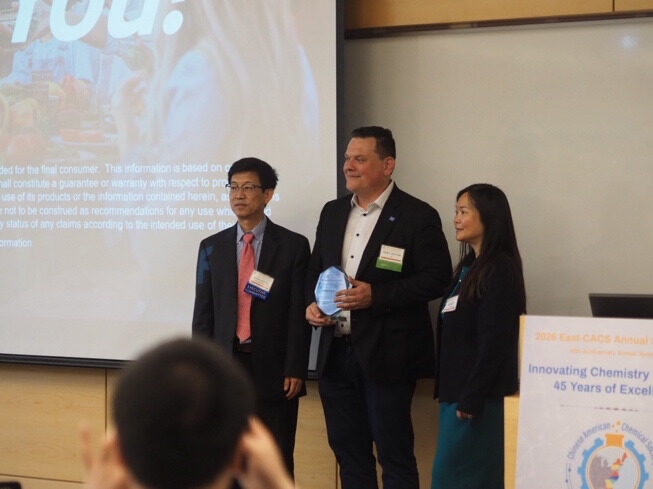
Distinguished Speakers Dr. Chao-Jun Li; Elena Polansky, MS; Dr. Adam Janczuk; Dr. Sharon Feng; Dr. Jianwen Mao; Dr. Catherine Mack; Dr. Chunhua Li; Dr. Qihong Zhang; Dr. Ming Tang; Dr. Will Ma; Dr. Vincent Wang; Dr. Qiuwei Feng; Amy Spinney; Dr. Junchi Lu; Jaclyn Lee; Siqing Song; Ben McGovern.
J.K Academy Excellence Award Professor Longqin Hu, PhD.
Fox Rothschild Industry Excellence Award Dr. Yijun Lu.
Excellent Service Award (Session Chairs) Dr. Mingwen (Kevin) Wang; Dr. Longqin Hu; Dr. Melody Dai; Dr. Mingxiao Li; Dr. Jin Zhu; Dr. Guangru Mao; Dr. Yijun Lu; Dr. Ran He; Dr. Lijuan Wang; Dr. Jiatong Liu; Dr. Chongsong Xu.
Poster Session Award Gold Award: Timothy Yaroshuk. Silver Award: Abigail Castellanos; Mengyuan Xiao. Bronze Award: Huiyi Liang; Wesley Yang; Abdusemi Abduweli; Annie Jiang; Praneeth Ivan Joel.
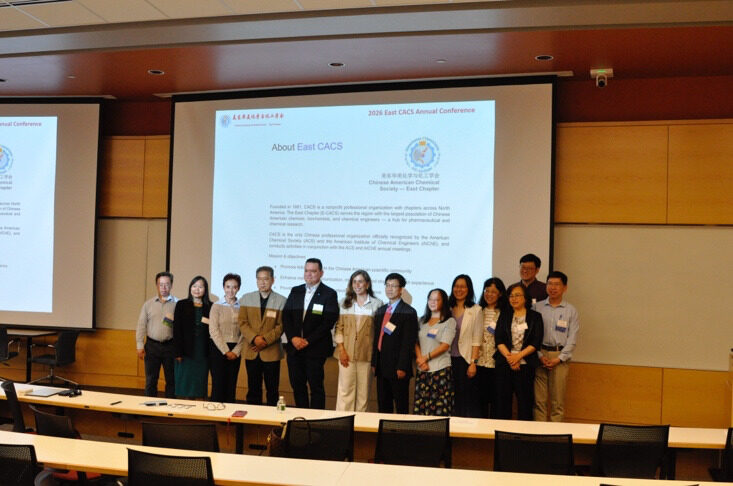
The full symposium brochure and program details are available on the E-CACS website. The full conference note is available on the conference recap article.
Member Highlight — Longqin Hu, PhD
Professor and Chair, Department of Medicinal Chemistry, Rutgers University's Ernest Mario School of Pharmacy: Advancing Medicinal Chemistry and Strengthening Professional Communities

Professor Longqin Hu has established a distinguished career defined by scientific innovation, academic leadership, and exceptional professional service. As Professor and Chair of the Department of Medicinal Chemistry at Rutgers University's Ernest Mario School of Pharmacy, he has made enduring contributions to drug discovery, education, and the broader chemical community — particularly through his leadership in the American Chemical Society (ACS) Division of Medicinal Chemistry and the Chinese American Chemical Society (CACS). Read more
What's New in Chemistry
Academic News
Contributor: Xiaozhou Feng
ATEV-Mediated DNA Transfer Enhances Immunotherapy
Researchers from Weill Cornell Medicine have uncovered a previously unrecognized mechanism by which activated T cells strengthen anti-tumor immunity through extracellular vesicles (EVs). The study demonstrates that activated T cell-derived EVs (ATEVs) carry abundant extracellular vesicular DNA (EVDNA) enriched with genes involved in antigen processing and presentation (APP), a critical pathway for immune recognition of cancer cells. The investigators found that ATEVs deliver this DNA cargo into recipient dendritic cells and tumor cells through a granzyme B-dependent mechanism that facilitates nuclear entry. Once transferred, the EVDNA transiently enhances expression of APP-related genes, leading to increased MHC molecule expression, improved antigen presentation, and stronger T cell activation. Importantly, removal of EVDNA abolished these immune-stimulatory effects, highlighting its central role in mediating ATEV function.
In multiple mouse models of immunologically "cold" tumors, including pancreatic cancer, breast cancer, and glioblastoma, systemic ATEV treatment increased tumor immunogenicity, promoted immune cell infiltration, and suppressed tumor growth. Furthermore, ATEVs synergized with anti-PD-1 checkpoint blockade, significantly improving therapeutic outcomes and survival. These findings reveal a novel form of transient, non-viral horizontal gene transfer that naturally amplifies immune responses. The study positions activated T cell-derived extracellular vesicles as a promising acellular immunotherapy platform capable of overcoming tumor immune evasion and enhancing the effectiveness of existing cancer immunotherapies. Read more
A Pan-Cancer Atlas of Double-Negative T Cells
Double-negative T (DNT) cells, a unique population of CD3⁺CD4⁻CD8⁻ lymphocytes, remain among the least understood immune cells in cancer. In a comprehensive study published in Molecular Cancer, researchers constructed the first pan-cancer single-cell atlas of DNT cells by integrating over 2.3 million T cells from 2,369 samples spanning 23 cancer types. The analysis identified 157,025 high-quality DNT cells and revealed remarkable diversity within both αβ DNT and γδ T-cell populations.
The study uncovered 14 distinct DNT subsets with specialized functions, ranging from immune regulation and cytokine signaling to direct tumor killing and antigen presentation. Notably, a previously underappreciated γδ T-cell subset, termed T14_HLA-DR⁺, exhibited potent antigen-presenting capabilities comparable to professional antigen-presenting cells while retaining cytotoxic activity. These cells were enriched in tumors, closely interacted with exhausted CD4⁺ and CD8⁺ T cells, and were associated with improved responses to immune checkpoint blockade.
Trajectory analyses further revealed distinct differentiation pathways leading to either cytotoxic or exhausted immune states, highlighting the dynamic roles of DNT cells within the tumor microenvironment. Across multiple cancer cohorts, increased infiltration of DNT cells correlated with favorable clinical outcomes and enhanced immunotherapy responses. This work provides an unprecedented roadmap of DNT-cell heterogeneity and identifies tumor-associated antigen-presenting γδ T cells as promising targets for next-generation cancer immunotherapies. Read more
Industry News
Molecular AI
Contributor: Fan Li
Every experiment in a chemistry lab is supposed to pass through a pre-experiment safety review. A researcher reads the procedure, pulls the safety data sheets, and works out what could go wrong. It is essential, slow, and easy to get wrong, because the hardest risks rarely sit on a checklist. They emerge from interactions, between a reactive reagent and a sealed flask, or between a procedure as written and the bench as actually assembled. As labs automate and run more experiments in parallel, this checkpoint gets both more important and harder to staff, which makes it a natural candidate for an AI first pass.
The trouble is that safety is exactly where the usual large language model approach is least acceptable. Most chemistry safety tools are single-model assistants: you ask, the model answers in free-form text, and the reasoning is neither consistent across runs nor easy to audit. For a casual helper that is fine. For a system meant to catch a runaway exotherm before it happens, improvisation that varies prompt to prompt is a liability. A safety layer needs predictable ordering, traceable decisions, and outputs that can be checked.
A recent preprint from the Vector Institute at the University of Toronto, and the Acceleration Consortium takes that seriously. Their system, El Agente Seguro, treats safety as a structured reasoning task rather than a single question to a single model. A central coordinator talks to the user but does no analysis itself; the work happens in a graph of specialized subagents, each handling one job, identifying chemical hazards, assessing reaction risks, screening for dual-use compounds, recommending protective equipment, writing standard operating procedures. The subagents are wired as a dependency graph, so checks run in a sensible order: dual-use screening before any synthesis reasoning, hazard evaluation only after the reaction is predicted. And they exchange strictly formatted records rather than loose paragraphs, which cuts the ambiguity and hallucination that creep in when one model has to interpret another's prose.
What makes the system interesting is less the benchmark scores, though it beat frontier models on four of seven safety tasks, than what the structure lets it notice. Given a full Grignard procedure, it flagged not the static hazards of the reagents but the dangerous combination of heating volatile solvent in a sealed flask with no pressure relief. Handed a written procedure plus a photo of the setup, it caught a reflux rig sealed with a septum and no visible cooling water, a risk invisible in the text. Shown a TNT structure dressed up as a request for a historical chemistry lecture, it recognized the molecule, matched it against export-control lists, and refused synthesis guidance while still offering a safe educational redirection. These are the context-dependent risks a checklist or a one-shot lookup tends to miss.
The broader lesson is worth sitting with. Frontier base models already score high on safety alignment, so why wrap an agent around them? Because the structured layer earns its keep in the tail, not the average. On high-consequence reasoning like reaction hazards, where a rare miss can be catastrophic, the disciplined workflow consistently surfaced secondary hazards and missing controls that predefined answers overlooked. And its design principles, schema-constrained exchange, explicit dependency ordering, and a fully auditable trail, are not specific to safety. They read as a template for any scientific agent we would want to trust, with safety as the proving ground where getting it right matters most, and likely the gate on whether autonomous labs scale at all. Read more
Cosmetics & Personal Care
Contributor: Guangru Mao
FDA Approves First New Sunscreen Active in Over Two Decades
The U.S. FDA has approved bemotrizinol (BEMT), making it the first new sunscreen active ingredient added to the U.S. OTC sunscreen monograph in more than 20 years. Already widely used in Europe and Asia, BEMT is a broad-spectrum UV filter that provides strong UVA and UVB protection while exhibiting excellent photostability. Unlike several commonly used UV filters that degrade upon UV exposure, BEMT remains highly stable and can help improve the photostability of sunscreen formulations, making it a valuable tool for formulators seeking enhanced long-wavelength UVA protection.
Beyond its technical merits, the approval represents a significant regulatory milestone. Most UV filters currently available in the U.S. were introduced decades ago and were effectively grandfathered into the monograph system. Bemotrizinol is among the first sunscreen actives to successfully navigate modern FDA safety and efficacy requirements, potentially establishing a pathway for future sunscreen innovation in the U.S. As the sponsor of the application, dsm-firmenich will receive 18 months of market exclusivity for commercialization. Read more
NAD+ Advertising Decision Highlights Growing Biomarker Claim Scrutiny
A recent National Advertising Review Board (NARB) decision recommended that Niagen Bioscience discontinue or modify several "clinically proven" claims for its NAD+ supplement, Tru Niagen. While studies have shown that nicotinamide riboside supplementation can increase NAD+ levels, NARB concluded that evidence supporting biomarker changes alone was insufficient to substantiate broader claims related to energy, healthy aging, brain health, and other consumer-perceptible benefits.
Beyond the supplement category, the decision highlights a growing challenge across health, wellness, and personal care industries: distinguishing mechanistic biomarkers from meaningful consumer outcomes. As companies increasingly rely on molecular, cellular, and omics-based measurements to support product claims, regulators and advertising review bodies are placing greater emphasis on demonstrating a clear connection between biomarker changes and tangible benefits experienced by consumers. The ruling may influence how future "clinically proven" claims are developed and substantiated across multiple industries. Read more
PDRN Brings Regenerative Medicine Concepts into Skincare
Polydeoxyribonucleotide (PDRN) has emerged as one of the hottest ingredients in skincare, appearing in numerous product launches and supplier showcases, particularly from Korea. Originally developed for medical applications, PDRN consists of purified DNA fragments and has been used clinically to support wound healing and tissue repair through anti-inflammatory and regenerative mechanisms.
The ingredient gained popularity through Korean aesthetic medicine, where PDRN and polynucleotide injections became widely used for skin rejuvenation. Today, that medical heritage is fueling rapid adoption in cosmetic products worldwide. While research suggests PDRN may support cellular repair and skin regeneration, much of the clinical evidence comes from injectable treatments. As topical PDRN products continue to proliferate, the ingredient highlights both the growing influence of K-beauty innovation and the ongoing challenge of translating medical technologies into evidence-based skincare claims. Read more
Process & R&D Innovation
Contributor: Yanpeng Hou
Sustainable Hero Ingredients: Crafting the Next Chapter of Peptides for Skin and Hair
Sustainable innovation is reshaping peptide-based "hero ingredients" for skin and hair care. A recent feature highlights two key technologies driving this shift: Group Assisted Purification Peptide Synthesis (GAP-PS) and synthetic biology. GAP-PS modernizes peptide manufacturing by improving yield, simplifying purification, and reducing solvent use and waste — up to 80% — while lowering environmental impact and eliminating certain harmful reagents. Meanwhile, synthetic biology enables precise, biomimetic production by engineering microorganisms to generate peptides and proteins at scale. This approach reduces reliance on animal-derived materials, decreases land and solvent use, and enhances reproducibility. Together, these technologies support more sustainable, efficient, and high-performance ingredients. Innovations such as bioengineered keratin exemplify how the industry is balancing efficacy with environmental responsibility, signaling a new chapter in cosmetic ingredient development. Read more
Nestlé–Helaina Partnership Advances Bioactive Nutrition
Nestlé has entered a multi-year collaboration with biotech firm Helaina to explore next-generation bioactive proteins for early-life nutrition. The partnership combines Nestlé's expertise in infant nutrition and product development with Helaina's precision fermentation platform, which produces bio-identical proteins such as lactoferrin. The collaboration aims to deepen scientific understanding of how bioactive proteins influence key systems, including the gut microbiome and immune function, ultimately translating insights into targeted nutritional solutions.
Helaina will focus on scalable, clinically credible production of these functional ingredients, while Nestlé integrates them into product innovation. The initiative highlights a broader industry trend toward precision fermentation and science-driven personalization in nutrition, particularly for early development stages. Read more
Postbiotics Power Next-Gen Healthy Aging Solutions
ADM is advancing postbiotics as a key driver of healthy aging innovation, highlighting their benefits across mood, sleep, stress, and metabolic health. Backed by clinical research, strains like Lactobacillus gasseri CP2305 demonstrate potential to improve emotional well-being, sleep quality, and stress resilience. The company emphasizes the growing importance of the gut-brain axis and positions postbiotics as more stable, formulation-friendly alternatives to probiotics. ADM's 2026 Healthy Aging Report reveals strong consumer demand for science-backed, multifunctional ingredients delivered in convenient, everyday formats such as beverages, gummies, and snacks.
With rising interest in longevity, consumers are shifting toward lifestyle-based wellness solutions. ADM sees future opportunities in personalized nutrition and clinically validated postbiotic strains that support cognitive, digestive, and metabolic health in accessible formats. Read more
Pharma and Biotech
Contributor: Jiatong Liu
Apotex Health Shares Jump in Largest Toronto Stock Market IPO Since 2021
Apotex Health, Canada's largest domestically owned pharmaceutical company, successfully completed its initial public offering (IPO) on the Toronto Stock Exchange (TSX: APTX) on June 10, 2026. The company priced its shares at C$24 per share, raising approximately C$1.3 billion (US$930 million), making it the largest IPO in Canada since 2021 and the largest healthcare IPO in TSX history. Shares opened at C$28, approximately 17% above the IPO price, reflecting strong investor demand and improving sentiment toward the Canadian equity market.
Founded in 1974 and headquartered in Toronto, Apotex is one of the world's leading generic pharmaceutical manufacturers. The company develops, manufactures, and markets generic drugs, biosimilars, specialty pharmaceuticals, and consumer health products. Its portfolio includes more than 800 products, serving approximately 70 countries worldwide through a global workforce of around 6,000 employees. Over the past decade, Apotex has expanded beyond traditional generic medicines into higher-value biosimilars and specialty pharmaceuticals to diversify its product portfolio and improve profitability.
The IPO represents an important milestone for both the company and the Canadian capital markets. After several years of limited IPO activity, Apotex's successful listing is widely viewed as a sign that Canada's new issue market is gradually reopening, particularly for large, profitable companies with established operating histories. Unlike many recent biotechnology IPOs that remain pre-commercial, Apotex entered the public market as a mature pharmaceutical company with stable cash flows, international operations, and an established commercial platform.
Looking ahead, the company plans to expand its global footprint by launching more than 100 new generic products and strengthening its presence in international markets, including Mexico and the Middle East. Supported by strong earnings growth — net income nearly doubled to approximately C$374 million in fiscal 2026 — the company is well positioned to invest in future product launches and international expansion while enhancing its financial flexibility following the IPO.
Key Takeaway: Apotex's IPO demonstrates renewed investor appetite for profitable healthcare companies with proven commercial execution. The transaction also signals improving conditions in the Canadian IPO market and highlights continued demand for defensive healthcare businesses with scalable international growth opportunities. Read more
Sponsor Highlight — MetwareBio
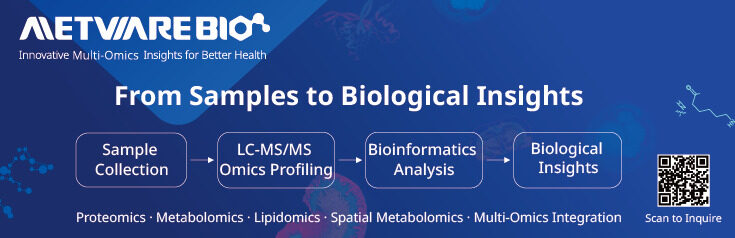
E-CACS greatly appreciates MetwareBio's generous silver sponsorship!
MetwareBio is dedicated to helping researchers gain deeper molecular insights into life science, disease mechanisms, and human health. Powered by advanced mass spectrometry technologies, MetwareBio provides end-to-end multi-omics solutions that connect molecular data with biological meaning.
Serving academic laboratories, clinical research programs, and biotech/pharmaceutical teams, MetwareBio supports the full omics workflow — from sample preparation and LC-MS/MS data acquisition to quality control, bioinformatics analysis, pathway interpretation, and integrated reporting.
Core Services: Metabolomics · Lipidomics · Proteomics · Spatial Metabolomics · Multi-Omics Integration · Bioinformatics Analysis
With standardized detection workflows and large curated in-house databases, MetwareBio helps researchers generate reliable, interpretable data for mechanism studies, biomarker discovery, translational research, and systems-level biology.
MetwareBio's services have supported data generation and analysis for 1,000+ client-led peer-reviewed publications, including studies appearing in Cell, Nature Genetics, PNAS, Nature Communications, and other leading journals.
Explore MetwareBio's services: www.metwarebio.com