September 2026 Edition
E-CACS September 2026 Newsletter
A member highlight on Jasmine Lu, PhD (Managing Director at MSQ Ventures, CACS 2022 Chair), academic news on self-driving laboratories, spatial biology and Stanford’s membrane-disrupting antibacterial polymers plus the SEZ6-targeting ADC ABBV-706 in small cell lung cancer and programmable nanoassemblies that restore intracellular homeostasis, a cosmetics roundup on evidence-based skin microbiome science, bioengineered microbiome technologies, Grant Industries’ AI formulation assistant, L’Oréal’s L’AcceleratOR cohort and SkinMedica’s FACTS principles for exosome skincare, a food & health section on how GLP-1s are reshaping taste expectations, companion nutrition and functional beverages, a pharma & biotech section on ADCs, next-generation CAR-T for solid tumors, targeted protein degradation and RNA therapeutics, a new Molecular and Polymer AI column on machine learning in industrial chemistry, innovation briefs spanning MoCRA, deep eutectic solvents, solid-state batteries, spatial transcriptomics and radiopharmaceuticals beyond oncology, and a sponsor highlight on Shimadzu.
Editor's Note
Editor-in-Chief: Xiaozhou Feng · Editors: Yanpeng Hou, Guangru Mao, Jin Zhu · Student Editor: Alex Chen
Welcome to the September 2026 issue of the E-CACS Newsletter.
This month, we are pleased to feature Jasmine Lu, Ph.D., Managing Director at MSQ Ventures, whose career spans drug discovery, alliance management, life sciences entrepreneurship, and scientific leadership within the CACS community.
This issue covers autonomous laboratories, spatial biology and membrane-disrupting antibacterial polymers; the SEZ6-targeting ADC ABBV-706 and programmable nanoassemblies; microbiome science and personalized beauty; GLP-1's impact on taste, nutrition and functional beverages; and ADCs, CAR-T, targeted protein degradation and RNA therapeutics. Our new Molecular and Polymer AI section examines machine learning in real industrial chemistry. Innovation briefs cover MoCRA, green chemistry, solid-state batteries, spatial transcriptomics and radiopharmaceuticals beyond oncology.
We extend our sincere appreciation to Shimadzu for its generous support of E-CACS and its longstanding commitment to scientific innovation and analytical excellence.
We hope you enjoy this issue and thank you for your continued support of E-CACS.
Member Highlight — Jasmine Lu, PhD
Managing Director, MSQ Ventures

Jasmine Lu is currently a Managing Director at MSQ Ventures. Before joining MSQ in 2025, she was the General Manager at Viwit Pharmaceuticals; the Director of Alliance Management at Atomwise, a preclinical pharma company revolutionizing how drugs are discovered with AI. In addition, she worked for the US Innovation Center of Shimadzu, a top-five global instrumentation company, and AcceleDev, a US-Sino CDMO company, as the Director of Project Management. Her earlier careers include Senior Medicinal Chemist in Morphochem and Pharmacopeia Drug Discovery, focusing on drug discovery for oncology and immunosuppressant projects.
Jasmine is a life member of the Chinese American Chemical Society (CACS) and was the Chair of 2022. She has served on the Board of its East Chapter since 2012 and was the Chair of 2019. She joined the American Chemical Society (ACS) in 1994 and has served as an Alternate-Councilor in ACS North Jersey Chapter. She has also served on the Board of NJACS Mass Spectrometry Discussion Group and was the Chair of 2017. Dr. Lu holds a Ph.D. in Organic Chemistry from Dartmouth College, an MS from Southern Methodist University, and a BS degree in Chemistry from Peking University.
What's New in Chemistry
Academic News
Contributor: Jin Zhu
Autonomous Laboratories Bring AI Directly into Experimental Chemistry
The concept of a "self-driving laboratory" has evolved from a research curiosity into a practical tool for chemical discovery. Recent work published in Nature Synthesis describes autonomous laboratory platforms that integrate robotics, machine learning, and automated analytical instrumentation to optimize chemical reactions with minimal human intervention. These systems are capable of selecting experiments, analyzing results, and determining subsequent experimental conditions through iterative machine-learning workflows.
One particularly notable development is the emergence of lower-cost modular platforms that can be constructed and customized by individual research groups rather than requiring the resources of major pharmaceutical companies or national laboratories. By democratizing access to laboratory automation, researchers hope to accelerate discovery in catalysis, synthetic chemistry, and materials science while also improving reproducibility. The shift may fundamentally change how graduate students and industrial scientists allocate their time, moving effort away from repetitive experimentation and toward interpretation, design, and innovation. Read more
Spatial Biology Continues Its Expansion Across Biomedical Research
Spatial biology has become one of the most influential technologies in modern biomedical science because it preserves the physical location of cells within tissues while simultaneously measuring molecular information. Recent computational advances are helping researchers integrate increasingly large and complex spatial transcriptomics datasets, enabling more accurate reconstruction of tissue architecture and cellular interactions.
Unlike conventional sequencing approaches that require tissue dissociation, spatial biology allows researchers to determine not only what genes are expressed but also where they are expressed and how neighboring cells influence one another. This information is especially important in cancer biology, neuroscience, immunology, and regenerative medicine, where cellular context often determines function. As datasets continue to grow, computational methods capable of integrating information across multiple technologies are emerging as critical tools for translating spatial data into biological insight. Read more
Novel Bacteria-Killing Polymers Show Promise as a New Class of Antibiotics
Scientists at Stanford University have developed a new class of synthetic polymers that may offer an alternative approach to combating antibiotic-resistant bacteria. Unlike conventional antibiotics that target specific biochemical pathways, these polymers physically disrupt bacterial cell membranes, rapidly killing pathogens while making it more difficult for bacteria to develop resistance. The researchers demonstrated effectiveness against several drug-resistant bacterial strains and found that the materials selectively attack bacterial cells while largely sparing human cells.
The polymers were designed to mimic naturally occurring antimicrobial peptides, which are part of the body's innate immune defense system. By engineering the polymers to balance bacterial killing with low toxicity, the team overcame a major challenge that has limited previous membrane-targeting antimicrobial approaches. Laboratory studies showed promising antibacterial activity and biocompatibility, suggesting potential use in treating difficult infections.
Researchers believe the technology could lead to a new generation of antibiotics and help address the growing global threat of antimicrobial resistance. Additional preclinical testing will be required before the polymers can be evaluated for human therapeutic applications. Read more
Contributor: Xiaozhou Feng
SEZ6-Targeting ADC ABBV-706 Shows Promising Activity in Relapsed/Refractory Small Cell Lung Cancer
Antibody–drug conjugates (ADCs) are increasingly moving toward lineage- and disease-specific antigens. A recent Phase 1 study in Nature Medicine evaluated ABBV-706, a SEZ6-targeting ADC carrying a Top1 inhibitor, in patients with advanced solid tumors, including relapsed/refractory small cell lung cancer (SCLC).
Among 124 patients with relapsed/refractory SCLC, ABBV-706 achieved a 52% objective response rate, with median duration of response, progression-free survival, and overall survival of 5.3, 5.4, and 11.3 months, respectively. Grade ≥3 treatment-related adverse events occurred in 61% of patients. The recommended Phase 2 dose was 1.8 mg/kg every three weeks.
SEZ6 is a neuronal membrane protein also expressed in SCLC and other neuroendocrine malignancies, providing a disease-associated surface target for selective payload delivery. More broadly, the study illustrates how lineage-specific biology, target selection, and potent payloads can be integrated to expand the therapeutic potential of next-generation ADCs. Read more
Dynamic Nanoassemblies Enable Programmable Restoration of Intracellular Homeostasis
Synthetic nanoassemblies are increasingly explored for nanomedicine, but intracellular accumulation can disrupt cellular homeostasis and is difficult to reverse. A recent study in Nature Chemical Biology developed a programmable system linking supramolecular transformations with cellular stress responses to control nanoassembly influx and efflux in living bacterial cells.
The researchers designed a photosensitizer–peptide conjugate that reversibly switches between nanofibers (NFs) and nanoparticles (NPs). Light-induced oxidation converted NFs into NPs, which were internalized by engineered E. coli and triggered oxidative stress. Activation of an OxyR-dependent circuit induced methionine sulfoxide reductases (MsrA/MsrB), promoting nanoparticle reduction, transformation back into nanofibers, and cellular expulsion.
The engineered bacteria could repeat these influx–efflux cycles while reducing ROS and restoring redox and energy homeostasis. More broadly, the study illustrates a design principle for adaptive bionanomaterials: synthetic materials can be engineered to communicate with cellular regulatory pathways and participate in feedback-controlled processes, potentially enabling more sustainable nanomedicine and engineered living therapeutics. Read more
Cosmetics & Personal Care
Contributor: Jin Zhu
Skin Microbiome Science Moves Toward Evidence-Based Product Development
The skin microbiome remains one of the most actively investigated areas in cosmetic science. A 2026 review in Skin Research and Technology examined the growing body of evidence supporting microbiome-targeted cosmetic products and concluded that while probiotics, prebiotics, postbiotics, and related approaches show promise, the clinical evidence remains highly variable across studies.
Researchers noted that many current products are marketed as "microbiome friendly" despite the lack of standardized criteria defining this term. Nevertheless, advances in sequencing technologies and microbiological analyses are improving scientists' ability to measure how cosmetic formulations influence microbial communities and skin-barrier function. The next phase of research is expected to focus on controlled clinical trials, mechanistic understanding, and the development of standardized methods for evaluating microbiome-related claims. These developments may ultimately help distinguish products with genuine biological benefits from those relying primarily on marketing narratives. Read more
Bioengineered Microbiome Technologies Create New Opportunities for Personalized Beauty
Researchers are increasingly exploring synthetic biology and microbiome engineering as future platforms for personalized beauty products. A recent review published in Cosmetics describes how artificial intelligence, microbiome sequencing, engineered microbes, and advanced delivery systems may be combined to create customized skincare products tailored to individual biological profiles.
The approach extends beyond traditional probiotic formulations. Scientists are investigating engineered microbial strains, quorum-sensing modulation, and microbiome-informed ingredient selection to improve efficacy while minimizing undesirable side effects. The review also highlights regulatory and safety challenges associated with these technologies, particularly when genetically modified organisms are involved. While commercialization remains in its early stages, the field illustrates how biotechnology may play a growing role in next-generation cosmetics innovation. Read more
Contributor: Guangru Mao
Grant Industries Launches AI-Powered Formulation Assistant
Grant Industries introduced the Grant & BCR Formulation Assistant, an AI-powered tool developed with Albert, on September 22, 2026. Available through Grant's website, the assistant enables cosmetic formulators to explore ingredients, starting-point formulations and technical solutions using natural-language questions.
Users can describe a formulation goal, desired texture, product format or performance challenge and receive recommendations drawn from approved technical resources across Grant Industries and Bio Component Research (BCR). The platform brings supplier knowledge into a conversational interface, helping formulators connect product-development needs with relevant ingredient technologies.
The launch illustrates how AI is entering practical cosmetic R&D workflows through access to curated technical information. Rather than requiring users to begin with a specific ingredient name, the assistant supports exploration from a formulation problem or product concept, providing starting points for subsequent laboratory development and testing. Read more
L'Oréal Expands Sustainable Innovation Accelerator with Chemistry and Process Technologies
On September 17, 2026, L'Oréal announced 13 companies from eight countries selected for the second cohort of L'AcceleratOR, its €100 million sustainable innovation program. The initiative supports the identification, piloting and scaling of technologies addressing climate, resource use and circularity.
Selected technologies include Bioweg's precision-fermentation approach to new raw materials and Envision Energy's renewable-energy-based ammonia for hair colorants. Packaging and process innovations include metal-free reflective pigments, methane-derived packaging materials, chemical recycling of plastic waste and low-carbon PET recycling. The cohort also introduces water technologies, including intelligent sensors for industrial water management.
Participants will receive support from the Cambridge Institute for Sustainability Leadership to prepare for potential six-to-nine-month pilot projects using L'Oréal's global resources. The selection highlights opportunities to apply biotechnology, materials chemistry and process engineering across the beauty value chain, from ingredient production to packaging and manufacturing. Read more
SkinMedica Proposes Scientific Framework for Evaluating Exosome Skincare
On September 15, 2026, Allergan Aesthetics announced plans to introduce SkinMedica's FACTS Principles at the Science of Skin Summit in Austin, Texas. The company-developed framework aims to encourage more consistent scientific evaluation of exosome-based skincare technologies.
FACTS addresses five areas: formulation and stability of the finished product, analysis, clinical studies, type of cellular origin and safety. A central consideration is whether biological activity remains intact throughout formulation and storage, rather than relying solely on the presence of an ingredient on the label.
The framework brings attention to technical questions surrounding the sourcing, characterization, preservation and clinical evaluation of biologically derived skincare ingredients. As interest in exosomes and regenerative skincare grows, it emphasizes the need to connect ingredient-level research with evidence for the finished formulation. The principles are intended to support scientific dialogue and represent a company initiative rather than an established industry standard. Read more
Food and Health
Contributor: Yanpeng Hou
GLP-1s Are Reshaping Consumer Taste Expectations
Recent research from IFF highlights how GLP-1 medications are transforming food preferences and consumption behaviors. Among surveyed users in India, 90% reported changes in taste and texture perception, while many are eating significantly smaller portions. As a result, consumers increasingly seek foods that deliver greater sensory satisfaction and nutritional value in every bite.
The study found that 69% of respondents prioritize balanced flavor experiences and 50% prefer softer, easier-to-digest textures. Label scrutiny is also increasing, with 74% paying closer attention to protein content, ingredients, and clean-label claims. Despite these shifts, traditional household food purchases remain largely unchanged.
For food and beverage developers, the opportunity lies in creating smaller-format products that combine satisfying flavor, appealing texture, strong nutrition, and hydration benefits, helping consumers feel fully satisfied even with reduced portions. Read more
GLP-1 Companion Nutrition Market Gains Momentum
The rapidly growing adoption of GLP-1 weight-loss medications is creating a new opportunity across the nutrition industry. With approximately 11% of U.S. adults reportedly using GLP-1 drugs for weight loss, companies are racing to develop products that address associated nutritional challenges such as muscle preservation, protein intake, hydration, gut health, and micronutrient support.
Nestlé is expanding its GLP-1 nutrition strategy by leveraging AI-driven research and product development, joining supplement, ingredient, and pharmaceutical companies in pursuit of this emerging "companion nutrition" market. Industry experts view the trend as evidence that GLP-1-related nutrition is evolving from a niche category into a broader health and wellness ecosystem.
While many brands are currently repositioning existing products for GLP-1 users, experts suggest long-term success will depend on meaningful reformulation and science-backed innovation. Demand is expected to remain strong for protein, fiber, probiotics, hydration, and targeted nutrition solutions, even as the market matures beyond the GLP-1 label. Read more
Functional Beverages: Making Every Sip Matter
Consumers increasingly expect beverages to deliver more than hydration, fueling rapid growth in the functional beverage market. According to a recent Food Business News article, today's drinks are being formulated to support specific health goals, including muscle recovery, cognitive performance, digestive wellness, immunity, and healthy aging.
Protein remains a leading ingredient, with manufacturers tailoring different protein types for distinct physiological benefits. Other popular additions include creatine, fiber, citicoline, magnesium, natural caffeine, adaptogenic botanicals, and pre-, pro-, and postbiotics. Many ingredients are supported by emerging research related to gut health, blood glucose management, satiety, mental focus, and immune function.
Industry experts emphasize that successful functional beverages require careful formulation to balance efficacy, taste, stability, and consumer experience. As wellness becomes embedded in daily routines, beverages are evolving into convenient platforms for delivering targeted health and nutrition benefits. Read more
Pharma & Biotech
Contributor: Jin Zhu
Antibody-Drug Conjugates Enter a New Phase of Oncology Competition
Antibody-drug conjugates (ADCs) have become one of the most active areas of oncology innovation. While the first generation of ADCs demonstrated the promise of combining tumor targeting with potent cytotoxic payloads, recent advances have focused on optimizing antibody selection, linker stability, payload chemistry, and tumor penetration. As a result, newer ADCs are showing activity across a wider range of solid tumors and hematologic malignancies than previously possible.
Researchers are increasingly recognizing that ADCs exert effects beyond direct cell killing. Emerging evidence suggests that some ADCs can alter the tumor microenvironment, stimulate antitumor immune responses, and potentially enhance the efficacy of immunotherapies. These findings are driving numerous combination trials involving checkpoint inhibitors and other targeted agents.
Commercial interest remains intense. Large pharmaceutical companies continue pursuing acquisitions and licensing deals centered on ADC platforms, particularly technologies involving novel payloads and dual-payload systems. The industry is gradually moving from viewing ADCs as individual products toward viewing them as versatile drug-development platforms capable of generating multiple therapies across different cancer indications. Read more
Next-Generation CAR-T Therapies Seek to Break Through Solid Tumor Barriers
CAR-T cell therapy has transformed treatment for several blood cancers, yet similar success in solid tumors has remained elusive. Major obstacles include poor trafficking of engineered T cells into tumor tissue, antigen heterogeneity, and highly immunosuppressive tumor microenvironments. Researchers are now designing next-generation CAR-T approaches intended to address these limitations.
Emerging strategies include multi-antigen targeting, armored CAR-T cells capable of secreting immune-stimulating factors, gene-edited products with enhanced persistence, and synthetic biology-based control systems. Recent reviews suggest that successful solid-tumor therapies will likely require simultaneous solutions to multiple biological barriers rather than incremental improvements to existing designs.
The market potential is substantial. Solid tumors account for the vast majority of oncology cases worldwide, creating significant incentives for both established pharmaceutical companies and emerging cell-therapy developers. Progress in this area could dramatically expand the scope and commercial impact of cellular immunotherapy. Read more
Targeted Protein Degradation Expands the Universe of Drug Targets
Targeted protein degradation (TPD) has emerged as one of the most promising new therapeutic modalities because it seeks to eliminate disease-causing proteins rather than simply inhibit their activity. Technologies such as PROTACs and molecular glues recruit the cell's natural degradation machinery to selectively remove proteins involved in disease processes.
The approach is particularly attractive because many disease-driving proteins lack conventional binding sites suitable for traditional drugs. By inducing protein destruction, TPD technologies may enable therapeutic intervention against previously inaccessible biological targets. Researchers are exploring applications across oncology, immunology, inflammation, and neurodegenerative diseases.
Industry activity continues to accelerate. Multiple degraders have entered clinical development, while major pharmaceutical companies have established partnerships and licensing agreements with specialized TPD firms. The modality is increasingly viewed as a foundational platform that could complement or, in some cases, replace traditional small-molecule approaches. Read more
RNA Therapeutics Continue Expanding Beyond Vaccines
The success of mRNA vaccines brought unprecedented visibility to RNA medicines, but the field now encompasses a much broader set of technologies. Researchers are advancing small interfering RNAs (siRNAs), antisense oligonucleotides, circular RNAs, self-amplifying RNAs, and CRISPR guide RNAs for therapeutic applications spanning rare diseases, oncology, metabolic disorders, and infectious diseases.
Chemical modification plays an increasingly important role in improving RNA stability, target specificity, tolerability, and delivery. Advances in lipid nanoparticles and ligand-directed delivery systems are expanding the range of tissues that can be reached effectively, addressing one of the field's longstanding challenges.
A growing number of approved RNA drugs and late-stage development programs suggest that RNA therapeutics are evolving into a broad class of medicines rather than a single technology category. Continued progress in delivery and manufacturing may further accelerate clinical adoption. Read more
Molecular and Polymer AI (September 2026)
Contributor: Fan Li
September's work had a strong industrial focus, with AI increasingly applied to realistic formulations, polymer systems, reaction development, and process knowledge. A common theme was moving beyond simplified benchmarks toward methods that better reflect the complexity of real R&D. At the same time, several studies took a closer look at model evaluation, including whether strong benchmark performance carries over to proprietary chemistry and deployment settings.
- A preprint from the University of Southern Mississippi and Arizona State University represents formulations through pairwise chemical similarity between ingredients. On block-copolymer thin-film data, the approach matched more complex models while remaining compact and interpretable, and also performed well in active learning and on unseen materials. Read more
- HiPoly, from NYU, the University of Chicago, and Peking University, represents polymer composition, connectivity, and molecular weight in a hierarchical graph. It improved property prediction and was used to screen fluorine-free polymers with PTFE-like surface properties. Read more
- Roche process chemists and EPFL's Schwaller group combine language-model representations with Bayesian optimization for reaction development. The method improved optimization efficiency and was validated experimentally on two reactions with successful gram-scale translation. Read more
- A study from Hamburg University of Technology, Helmholtz-Zentrum Hereon, and DFKI examines whether LLM property predictions may partly reflect memorization of public benchmark data. The results suggest benchmark performance can overstate how well models may generalize to proprietary chemistry. Read more
- A Sanofi team developed a two-layer knowledge graph for extracting and querying information from complex process-development reports. The work also highlights how performance drops on harder comparative and corpus-wide questions, underscoring the importance of deployment-focused evaluation. Read more
Innovation News Highlights
Contributor: Jin Zhu
FDA Continues Implementation of MoCRA
The U.S. Food and Drug Administration continues implementing the Modernization of Cosmetics Regulation Act (MoCRA), the most significant expansion of FDA authority over cosmetics since 1938. The law requires cosmetic facility registration, product listing, adverse event reporting, and enhanced safety substantiation requirements. FDA has also issued updates relating to facility registration renewals and cosmetics product listings, signaling increased regulatory oversight and compliance expectations for manufacturers and brand owners. Companies throughout the cosmetics supply chain are reassessing quality systems, recordkeeping practices, and product documentation to align with the evolving regulatory framework. Read more
Skin Microbiome Research Shapes Next-Generation Cosmetics
Scientific interest in the skin microbiome continues to influence cosmetic innovation. Recent reviews highlight increasing use of prebiotics, probiotics, and postbiotics in skincare formulations aimed at supporting skin-barrier integrity and microbial balance. Researchers note that while early clinical data are promising, the industry still faces challenges involving standardized testing methods, regulatory consistency, and verification of marketing claims. Advances in sequencing technologies and microbiome analytics are expected to support the development of more evidence-based cosmetic products. Read more
Bioengineered Microbiome Technologies Create Personalized Beauty Opportunities
Researchers are exploring synthetic biology, engineered microbes, and AI-driven microbiome analysis to develop personalized skincare products. A recent review describes how bioengineered microbial strains, advanced delivery systems, and microbiome sequencing may enable formulations tailored to an individual's unique biological profile. The technology could improve efficacy while promoting sustainability through more precise ingredient selection and reduced product waste. Regulatory and safety considerations, particularly involving genetically modified organisms, remain important areas of focus as commercialization advances. Read more
Deep Eutectic Solvents Gain Momentum in Green Chemistry
Deep eutectic solvents (DESs) continue attracting attention as environmentally friendly alternatives to traditional organic solvents. Researchers are evaluating their applications in biomass processing, carbon capture, catalysis, electrochemistry, and advanced materials development. Recent reviews suggest that DES technologies are moving beyond laboratory-scale studies toward industrial implementation, supported by advances in process engineering and computational chemistry. Their tunable properties and reduced environmental impact make them increasingly attractive for sustainable chemical manufacturing. Read more
AI and Autonomous Systems Transform Chemical Process Development
Artificial intelligence is becoming increasingly integrated into materials discovery, reaction optimization, catalyst development, and process engineering. Researchers are using machine learning models together with automated laboratories to accelerate synthesis planning, identify promising compounds, and optimize manufacturing conditions. Industry observers believe AI-enabled workflows could significantly reduce development timelines and improve experimental efficiency across pharmaceutical, specialty chemical, and advanced materials sectors. Sources: nature.com · academic.oup.com
Solid-State Battery Materials Advance Toward Commercialization
Solid-state batteries remain one of the most active areas of advanced materials research because they offer the potential for greater energy density and improved safety compared with conventional lithium-ion batteries. Recent studies have focused on improving solid electrolytes, mitigating dendrite formation, and enhancing mechanical stability at electrode interfaces. Researchers continue to report progress in electrolyte design and materials engineering, addressing key barriers to commercial deployment in electric vehicles and large-scale energy storage systems. Sources: nature.com · sciencedaily.com
New AI Framework Improves Spatial Transcriptomics Integration
The INSPIRE platform uses graph neural networks and deep learning to integrate complex spatial transcriptomics datasets while preserving biologically meaningful tissue architecture. The method addresses one of the most significant bottlenecks in spatial biology by enabling integration across technologies, experiments, and biological conditions. Sources: nature.com · pmc.ncbi.nlm.nih.gov
Radiopharmaceuticals Expand Beyond Oncology
Recent reviews highlight expanding interest in radiopharmaceuticals for cardiovascular disease, inflammation, and neurodegenerative disorders in addition to cancer. Advances in targeting molecules, imaging technologies, and radionuclide chemistry are broadening the clinical utility of theranostic approaches. Sources: nature.com · PDF
Investment Continues Pouring into Targeted Radiopharmaceutical Therapy
A recent Journal of Nuclear Medicine review examined both scientific advances and investment trends in radiopharmaceutical therapy, noting increasing venture capital activity, pharmaceutical partnerships, and infrastructure investments supporting radionuclide production and clinical deployment. Read more
Protein Degraders Advance Through Clinical Development
The number of targeted protein degraders entering clinical trials continues to grow. Investigators are testing both PROTACs and molecular glues across cancer indications and other diseases, generating increasing evidence regarding dosing strategies, target selection, and safety profiles. Sources: Targeted protein degraders in clinical development (PDF) · nature.com
Sponsor Highlight — Shimadzu
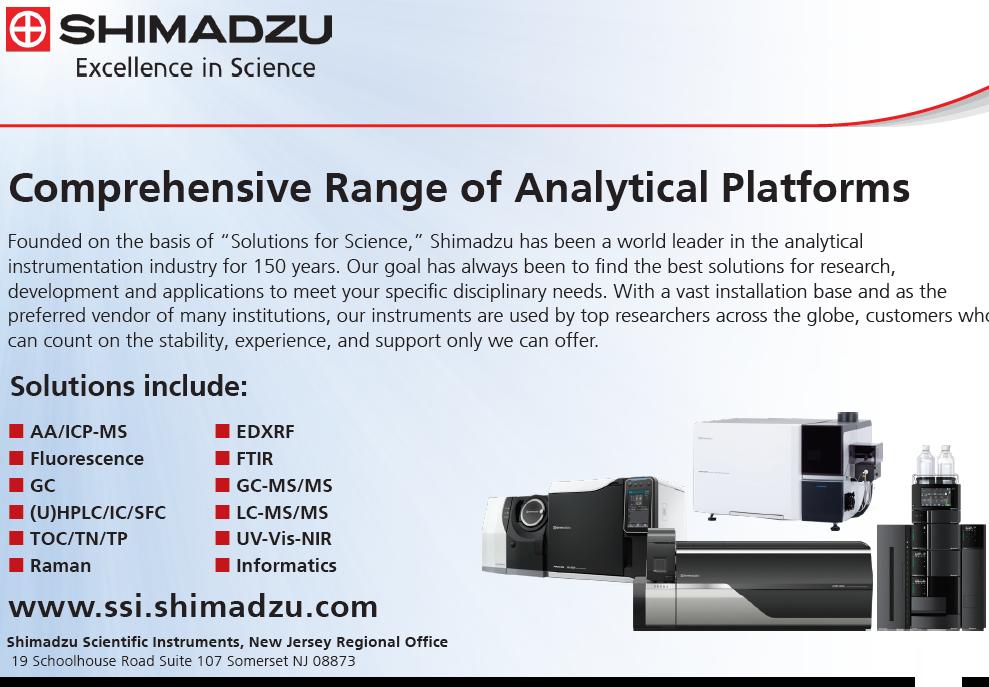
E-CACS greatly appreciates Shimadzu's generous sponsorship and its longstanding commitment to scientific innovation and analytical excellence.
Founded on the basis of "Solutions for Science," Shimadzu has been a world leader in the analytical instrumentation industry for 150 years. Its solutions span AA/ICP-MS, EDXRF, fluorescence, FTIR, GC, GC-MS/MS, (U)HPLC/IC/SFC, LC-MS/MS, TOC/TN/TP, UV-Vis-NIR, Raman, and informatics.
Website: www.ssi.shimadzu.com · Shimadzu Scientific Instruments, New Jersey Regional Office, 19 Schoolhouse Road Suite 107, Somerset, NJ 08873