February 2026 Edition
E-CACS February 2026 Newsletter
Neural signaling in lung tumors, AI-driven olfactory modeling, the AstraZeneca–CSPC obesity deal, the 2026 specialty-chemicals pivot, Henkel’s Stahl acquisition, and a member spotlight on Jonathan Ho.
Editor's Note
Editor in February: Jiatong (Scarlett) Liu
This issue highlights the breadth and vitality of our community — from dedicated member leadership and emerging academic discoveries to evolving trends across cosmetics, food innovation, pharmaceuticals, specialty chemicals, and chemical engineering. Together, these contributions reflect a common theme: chemistry as a connective force linking scientific discovery, industrial transformation, and community engagement.
We are especially pleased to spotlight members whose sustained service strengthens organizational impact, while research and industry updates illustrate how interdisciplinary collaboration — spanning neural oncology, AI-enabled olfaction, adaptive formulation science, and cross-border pharmaceutical partnerships — is reshaping innovation pathways. Ongoing portfolio optimization and strategic M&A across the specialty chemicals sector further underscore the industry's shift toward performance-driven, sustainable, and technology-rich solutions.
As we approach a milestone year for our community, we hope this collection of perspectives informs and inspires continued dialogue, collaboration, and leadership among our members.
Academic News
Contributor: Xiaozhou Feng
Nervous-system signals found to aid lung tumor growth
Dr. Chengcheng Jin's lab recently published a paper in Nature identifying a neural signaling pathway through which lung tumors communicate with the brain and suppress immune defenses, pointing to a potential new target for cancer therapy.
The researchers found that tumors recruit nearby sensory nerve fibers that transmit signals through the vagus nerve to the brainstem. This activation increases sympathetic nerve output back to the lungs, creating a feedback loop that alters the tumor microenvironment. The resulting signaling suppresses immune activity — particularly by reprogramming alveolar macrophages in ways that limit T-cell-mediated tumor attack. Disrupting this sensory–sympathetic circuit, through genetic, chemical, or pharmacological interventions, enhanced anti-tumor immune responses and reduced tumor growth in experimental models. Analysis of clinical datasets further showed that elevated expression of nerve-associated gene signatures correlated with poorer patient outcomes and reduced immune-cell infiltration, underscoring the pathway's clinical relevance.
The findings highlight an emerging concept in oncology: tumors interact not only with immune and stromal cells locally but also with the nervous system at the organismal level. Targeting neural–immune communication may therefore complement existing immunotherapies and provide new strategies for controlling cancer progression.
Read more: 10.1038/s41586-025-10028-8
Cosmetic & Personal Care
Contributor: Guangru Mao
Stability testing & functional scent science
Sources: UL Prospector; Cosmetics & Toiletries
Two expert-driven articles this month revisit foundational yet evolving technical areas: stability testing and functional fragrance science. The stability piece connects laboratory protocols with regulatory expectations and commercial timelines, emphasizing how robust design supports product quality and market success. The functional-scent article explores four biological mechanisms beyond simple olfactory perception, highlighting how fragrance can influence mood, cognition, and physiological response — an area gaining increasing formulation interest.
Kao's humidity-controlled sunscreen — climate-adaptive formulation
Source: Cosmetics & Toiletries
Kao Corp. introduces a humidity-responsive sunscreen technology designed to adjust film properties based on environmental moisture levels. Developed within an oil-in-water formulation system, the approach aims to enhance protection performance under varying climate conditions, reflecting growing interest in adaptive, real-world performance claims within sun-care innovation.
Lignin-based sunscreens — sustainable protection advances
Source: Cosmetics & Toiletries
Recent research highlights advances in lignin-derived materials as multifunctional UV-protection boosters. These bio-based components demonstrate UV-absorption potential alongside antioxidant benefits, aligning with sustainability-driven formulation strategies.
Editorial note: While promising from a sustainability standpoint, commercial implementation may remain limited in the near term due to lignin's intrinsic dark coloration and the constraints of the U.S. OTC sunscreen monograph system, which restricts the introduction of new UV filters without formal FDA review and approval.
Food
Contributor: Yanpeng Hou
Osmo secures $70M to advance AI-driven olfactory modeling
Osmo, a New York–based AI fragrance company, has raised $70 million to scale development of its machine-learning platform for scent design, bringing total funding to $130 million. Originating from a Google AI research project, Osmo applies predictive models to map relationships between molecular structure and perceived odor — a capability it describes as "olfactory intelligence."
The platform enables rapid in-silico exploration of fragrance space, including predicting sensory attributes, translating non-chemical inputs (e.g., images or emotions) into scent profiles, and modeling demographic preferences. Compared with traditional perfumery workflows, Osmo's approach significantly reduces iteration time for new fragrance concepts. While current applications focus on alcohol-based fragrances, Osmo is also exploring adjacent R&D areas — odor-based authentication, health diagnostics, and environmental sensing — highlighting broader potential for computational olfaction beyond consumer fragrance.
Health & wellness trends — flavor still matters in the GLP-1 era
The rapid growth of GLP-1 medications such as Wegovy and Ozempic is reshaping how consumers shop for food, but it has not diminished their desire for products that taste good. According to a new Tate & Lyle report, GLP-1 users are reinforcing — not replacing — long-standing industry trends toward foods that balance health benefits with sensory enjoyment.
With an estimated 15 million Americans currently using GLP-1 medications and usage expected to increase significantly over the next decade, manufacturers are facing a more nuanced consumer landscape. While many users experience increased satiety and reduced "food noise," their expectations for flavor, texture, and enjoyment remain high. The research highlights that GLP-1 consumers fall into different need-states depending on where they are in their medication journey, ranging from those seeking nutrient-dense foods that deliver "food joy" to former or non-users looking for products that help manage ongoing cravings.
Notably, cravings have not disappeared. A majority of current GLP-1 users still seek sweet flavors, and shopper data shows increased chocolate purchases months after starting medication. Texture also plays a role, with preferences shifting toward crispy and crunchy foods that may enhance perceived satiety. Together, these findings suggest innovation opportunities lie in nutrient density, satiety, and permissible indulgence — rather than extreme restriction.
Takeaway: Products that successfully deliver great taste while supporting satiety and nutrition are best positioned to meet the evolving needs of GLP-1 consumers — proving that even in a health-focused landscape, flavor remains essential.
Pharma
Contributor: Jin Zhu
AstraZeneca's strategic tie-up with CSPC underscores growing pharma–China collaborations
AstraZeneca announced on January 30 a strategic licensing and co-development arrangement with China's CSPC Pharmaceutical Group, underscoring the growing role of cross-border collaboration in global pharmaceutical innovation and the increasing integration of Chinese biopharma capabilities into multinational drug-development strategies. The partnership is aimed at expanding AstraZeneca's portfolio in obesity and metabolic disorders.
The agreement includes an initial payment of $1.2 billion, with additional compensation contingent on clinical advancement, regulatory milestones, and market uptake — potentially raising the aggregate value of the collaboration to roughly $18.5 billion. Under the terms, AstraZeneca will assume responsibility for development and commercialization outside mainland China, Hong Kong, Macau, and Taiwan for a suite of peptide-based therapeutic programs originating from CSPC, while CSPC retains rights in its domestic markets. Beyond asset licensing, the arrangement establishes a framework for technology-level cooperation, combining CSPC's sustained-release delivery systems and AI-enabled discovery platforms with AstraZeneca's global development, regulatory, and commercialization infrastructure.
Global pharmaceutical companies are increasingly turning to partnerships with Chinese biopharma firms as a strategic response to rising R&D costs, intensifying competition in high-growth therapeutic areas, and the need to replenish late-stage pipelines. China's biotech sector has matured rapidly over the past decade, supported by regulatory reforms that have accelerated clinical-trial approvals, expanded patient access, and improved alignment with international standards. As a result, Chinese companies are now generating clinically differentiated assets and platform technologies — particularly in metabolic disease, oncology, and biologics — that are attractive to multinational drugmakers seeking earlier access to innovation while managing development risk through milestone-based structures.
From a policy and industrial perspective, these collaborations reflect a shift toward a more interdependent global drug-innovation ecosystem, even amid geopolitical tensions and increased scrutiny of cross-border technology transfer. For multinational firms, licensing arrangements with Chinese partners offer a way to separate global commercialization rights from domestic Chinese market access, aligning with evolving regulatory, trade, and data-governance considerations. For Chinese biopharma companies, such partnerships provide capital, regulatory expertise, and international development pathways, accelerating their transition from domestic players to globally integrated innovators. Cross-border pharmaceutical collaboration is becoming a structural feature of the industry rather than an opportunistic exception.
Sources: Reuters · AstraZeneca press release
Specialty Chemicals
Contributor: Jumin Hao
Navigating the 2026 specialty-chemical pivot
The specialty chemical landscape in early 2026 is defined by a decisive move away from volume toward high-purity, performance-driven chemistry. Commodity segments face a challenging year of overcapacity, while specialty sectors — particularly in electronics, green energy, and life sciences — remain the industry's strategic engine.
1. Global market realignment and M&A activity
A significant trend this year is the pursuit of lean, focused business models through strategic acquisitions, divestitures, and portfolio reshaping. Deal volume — particularly from private equity — is expected to grow in 2026, targeting high-potential specialty assets.
Acquisitions & consolidations:
- BASF made its first M&A move of 2026 by agreeing to acquire bio-control company AgBiTech to bolster its agricultural-solutions portfolio.
- Ecolab completed its acquisition of Ovivo's electronics ultrapure-water business, expanding its presence in the semiconductor manufacturing value chain.
- GracoRoberts acquired Sky Mart Sales Corp to accelerate its international footprint in Latin American aerospace specialty-chemicals distribution.
- Mutares SE entered an agreement to acquire SABIC's Engineering Thermoplastics business in the Americas and Europe for approximately $450 million, part of a larger divestment program by SABIC to focus on its core Saudi petrochemical business.
Divestitures & carve-outs:
- DuPont is completing the sale of its Aramids business — including the iconic Kevlar and Nomex brands — for approximately $1.8 billion to Arclin, expected to close in Q1 2026.
- Corteva plans to spin off its seed and crop-protection divisions into two independent public companies by H2 2026.
- Syensqo completed the divestment of its Oil & Gas business unit to SNF Group as part of its pure-play specialty strategy.
IPO pipeline & outlook:
- Nouryon, controlled by The Carlyle Group, confidentially filed for a U.S. IPO as early as the second half of 2025, though timing remains uncertain due to market conditions. Management may opt for "bolt-on" acquisitions if the IPO doesn't materialize within 9–12 months.
- The broader 2026 IPO market is anticipated to be strong, though the focus is largely on tech and AI companies rather than pure-play chemical firms, which are currently more focused on carve-outs and private-equity deals.
2. Emerging growth — AI and green chemistry
- Electronics boom: AI-driven data centers and next-gen semiconductor fabs are fueling strong growth for electronic materials.
- Sustainability standards: "Green chemistry" is now a primary competitive differentiator. Nouryon, for example, has launched products such as Eka HP Puroxide, a low-carbon hydrogen peroxide.
3. Community spotlight — E-CACS strategic themes
As we look toward a transformative year for our profession, the E-CACS community remains at the forefront of bridging scientific innovation with industrial leadership. Our strategic focus reflects the evolution from the challenges of the present to a celebration of our collective future.
Reflecting on 2025 — embracing a changing landscape. Our 2025 Annual Symposium, "Embracing a Changing Landscape: AI, Supply Chains, and Regulatory Shifts in Chemistry and Medicine," set a critical foundation for our members. In a year defined by volatile global logistics and the rapid integration of agentic AI in R&D, our discussions provided vital clarity. We explored how the convergence of digital tools and pharmaceutical chemistry is accelerating drug discovery, and how navigating shifting regulatory environments in both the U.S. and Asia is no longer just a legal requirement but a competitive necessity for the modern chemist.
Looking ahead to 2026 — innovating chemistry, together. As we enter 2026, we are thrilled to announce our next theme: "Innovating Chemistry, Together — 45 Years of Excellence." This year marks a historic milestone — the 45th Anniversary of CACS. While 2025 focused on adapting to change, 2026 will focus on driving it. Our upcoming symposium and workshops will return to the core of our passion: innovating chemistry. Stay tuned!
A call to our members. In light of the massive M&A shifts at DuPont, BASF, and Nouryon, the E-CACS network is more valuable than ever. Whether you are navigating a corporate carve-out or leading a startup in the green-chemistry space, our 45th-anniversary events will serve as a premier platform for collaboration. We invite you to contribute your research and leadership insights as we celebrate 45 years of innovation and community.
Chemical Engineering
Contributor: Mingxiao Li
Henkel to acquire coatings company Stahl for €2.1 billion
Henkel has agreed to acquire Stahl, a global specialty-coatings provider, for about €2.1 billion in a deal aimed at significantly expanding Henkel's industrial coatings portfolio. Stahl, headquartered in the Netherlands, is recognized for its high-performance coatings used on flexible materials such as leather, paper packaging, and graphics applications, serving major brands in automotive, fashion & lifestyle, and packaging markets. The company employs around 1,700 people and reported approximately €725 million in adjusted sales in fiscal year 2025.
The transaction complements Henkel's Adhesive Technologies division by broadening its reach into adjacent coatings segments that offer higher growth potential and greater customization than traditional adhesives. Management highlights that Stahl's technology and R&D capabilities are highly complementary, particularly in environmentally responsible, water-based solutions, which aligns with Henkel's sustainability commitments.
Industry insights
- Strategic fit and diversification. The acquisition reflects a broader industry trend where large chemical and materials companies pursue targeted M&A to gain scale in niche, technology-rich segments more resilient to economic cycles than mass-market products. The specialty coatings sector has strong demand drivers — premium automotive interiors, sustainable packaging, and fashion applications that require differentiation through surface performance and aesthetics.
- Growth outlook for coatings and specialty materials. Global demand for advanced coatings — especially water-based and low-VOC technologies — is growing as end markets emphasize durability, environmental performance, and regulatory compliance. This trend benefits companies like Stahl, which already generate a significant portion of revenue from eco-friendlier formulations.
- Private-equity exit signal. For majority owner Wendel, the sale represents a successful long-term investment, illustrating how private equity can play a role in scaling specialty chemical businesses before handing them to strategic industrial buyers.
- Competitive positioning. As Henkel continues to shift toward higher-growth industrial segments, integrating Stahl can create cross-selling opportunities with existing adhesive and coating products and accelerate innovation through combined R&D efforts.
The acquisition remains subject to customary closing conditions, including regulatory approvals and internal consultation processes, and is expected to further position Henkel as a global leader in adhesives and specialty coatings upon completion.
Member Highlight — Jonathan Ho
Mass Spec Tech Support Scientist III, Shimadzu Scientific Instruments. Contributor: Jin Zhu
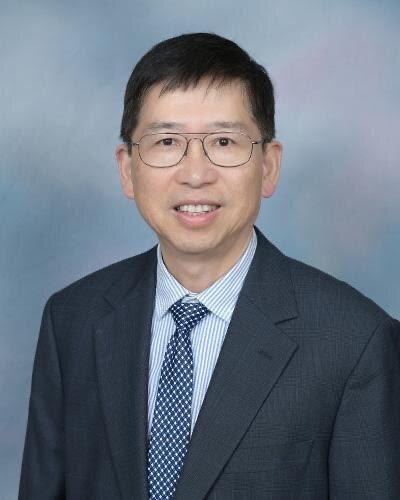
Jonathan Ho is a Mass Spec Tech Support Scientist III at Shimadzu Scientific Instruments, where he brings deep expertise in analytical instrumentation and mass spectrometry. His career spans influential roles at Merck & Co. and Shimadzu, covering measurement science, clinical research, and preclinical research.
Jonathan holds a PhD in organic chemistry and completed a postdoctoral research fellowship at the University of California, Berkeley — training that laid the foundation for his technical rigor and scientific leadership.
A dedicated member of the American Chemical Society for 36 years, Jonathan has consistently invested time and talent into advancing the chemistry community. His service includes long-standing involvement with the North Jersey Mass Spectrometry Discussion Group (NJMSDG), where he has served as board member, treasurer, and chair.
Jonathan also plays an active role in E-CACS, currently serving as Treasurer and a member of the Executive Committee. He contributes to the Budget & Finance Team, helping strengthen the organization's operations and outreach.
Across his professional and volunteer work, Jonathan is recognized for his commitment to scientific excellence, community engagement, and the advancement of mass spectrometry and analytical chemistry.
Q&A
How long have you been an E-CACS member? Since 2000, when I moved to New Jersey from California.
What roles are you currently active in? I was elected as Treasurer of the East Chapter in 2024, and I am currently active in the same role.
Please list 2–3 key contributions you've led or supported within E-CACS.
- Helped E-CACS secure sponsorship from my employer, Shimadzu, over the years. To the best of my knowledge, Shimadzu has sponsored CACS for more than 20 years continuously.
- Provided efforts on strengthening the reimbursement process and providing feedback to our E-CACS executive committee to help plan future events with sustainable budgeting.
- Appealed to the executive committee to add an additional person — a co-treasurer — to oversee our financial situation, which makes it more transparent.
What achievement or moment within E-CACS are you most proud of, and why? Securing sponsorship from my employer. A sound financial situation is critical to our organization.
How has being part of E-CACS impacted your professional or community work? Being part of E-CACS helps Shimadzu and other corporate organizations better understand what we, as chemists, want and need in our professional lives, and how we promote chemistry and related activities.
Favorite E-CACS memory or event? The poster session during our annual symposium — so many young scientists participate every year, and they are the future of our chemistry community.
Advice for new E-CACS members? I hope new and current members alike will do their best to bring sponsorship to our organization. With a healthy budget E-CACS can make more impact in our community.
Sponsor Spotlight — IFF

Contributor: Kejia Gu
International Flavors & Fragrances Inc. (IFF) is a global leader in flavors, fragrances, food ingredients, health, and biosciences, guided by its purpose: to make joy through science, creativity & heart.
Founded in 1889 as Pollak & Schwartz in the Netherlands, the company later merged with Van Ameringen-Haebler, Inc. in the United States — combining strengths in flavors and fragrances. Over more than a century, IFF has evolved from humble beginnings into a global innovation leader while maintaining its founding spirit of scientific creativity and collaboration.
With approximately 22,400 employees worldwide — including 3,000+ scientists, engineers, and technologists, and 600+ scent designers, chefs, flavorists, and perfumers — IFF integrates scientific rigor with creative expertise to develop solutions across food, beverage, personal care, household, and pharmaceutical products worldwide. The company serves roughly 18,000 customers globally across consumer and health-related markets.
Innovation is central to IFF's long-term growth strategy. IFF invests $671 million annually in R&D, holds 8,000+ granted and pending patents, and is advancing 30+ human clinical trials. Through 40+ strategic university partnerships, the company strengthens collaboration across academia and industry. IFF was also recognized with the 2025 P&G External Business Partner Award, reflecting its technical and commercial excellence.
IFF represents a modern example of how chemistry, biology, and process engineering converge to create essential ingredients that enhance everyday consumer experiences at global scale.