April 2026 Edition
E-CACS April 2026 Newsletter
A recap of the April 18 Executive Forum with AAEA and Fox Rothschild, a member highlight on immediate past president Dr. Dujuan Lu, academic news on dMMR neoadjuvant immunotherapy and peritumoural fat in cancer immunology, an industry deep-dive on Revolution Medicines’ RAS(ON) program, and updates spanning BASF’s X3D catalysts, molecular AI, taste modulation, AAD 2026 trends, and the new CDC nominee.
Editor's Note
Chief Editor: Yanpeng Hou
Welcome to the April 2026 issue of the E-CACS Newsletter. This month, we are pleased to spotlight the remarkable contributions and leadership of Dr. Dujuan Lu, immediate past president of E-CACS and a globally recognized expert in extractables and leachables. Through her professional journey and personal reflections, Dr. Lu exemplifies the spirit of service, excellence, and community that defines E-CACS.
We also share highlights from the April 18, 2026 Executive Forum, co-hosted by the Asian American Entrepreneur Association and Fox Rothschild, featuring timely discussions on preclinical research, regulatory affairs, licensing, and commercialization across today's pharmaceutical R&D landscape.
In addition to our Member Highlight, this issue continues our mission to connect and inspire chemical science professionals across academia and industry by sharing stories of impact, leadership, and career development. We hope these insights encourage members — both new and seasoned — to engage with E-CACS events, expand their professional networks, and consider taking on active roles within our growing community.
What's New in E-CACS
2026 Executive Forum
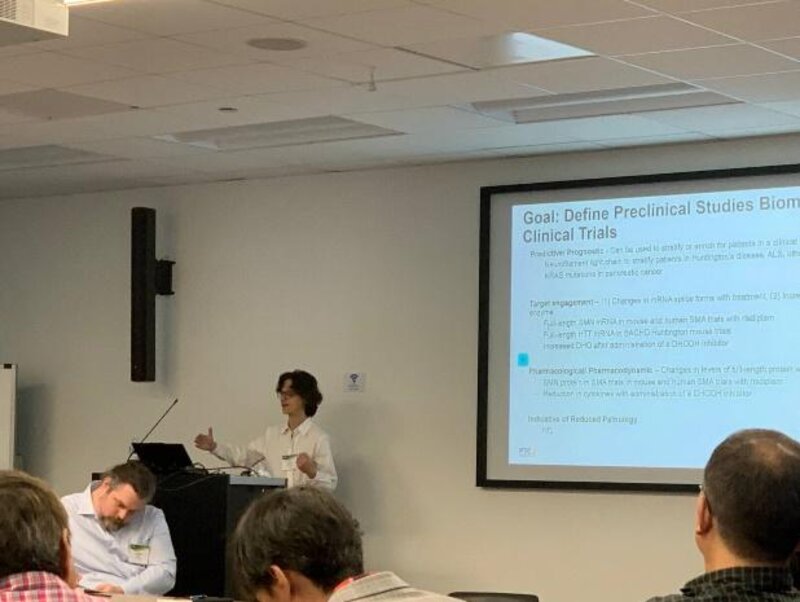
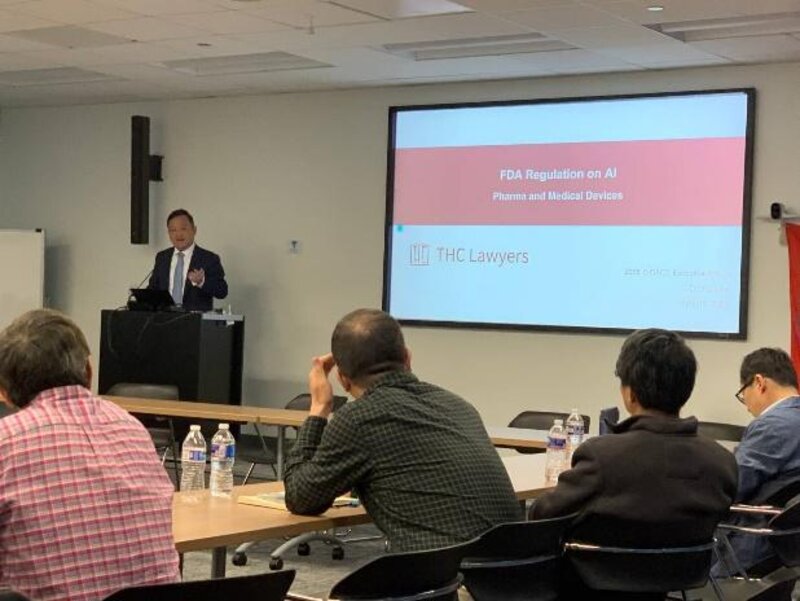
An executive forum was held on April 18, covering key industry topics such as preclinical research, regulatory affairs, licensing, and commercialization. The event was co-hosted by the Asian American Entrepreneur Association and Fox Rothschild and attracted attendees from the pharmaceutical and chemical industries. In addition to expert presentations on these critical areas, the forum featured panel discussions that enabled industry leaders to share insights and perspectives. Discussion topics also addressed the past, current landscape, and outlook of various aspects of pharmaceutical R&D and product launches.
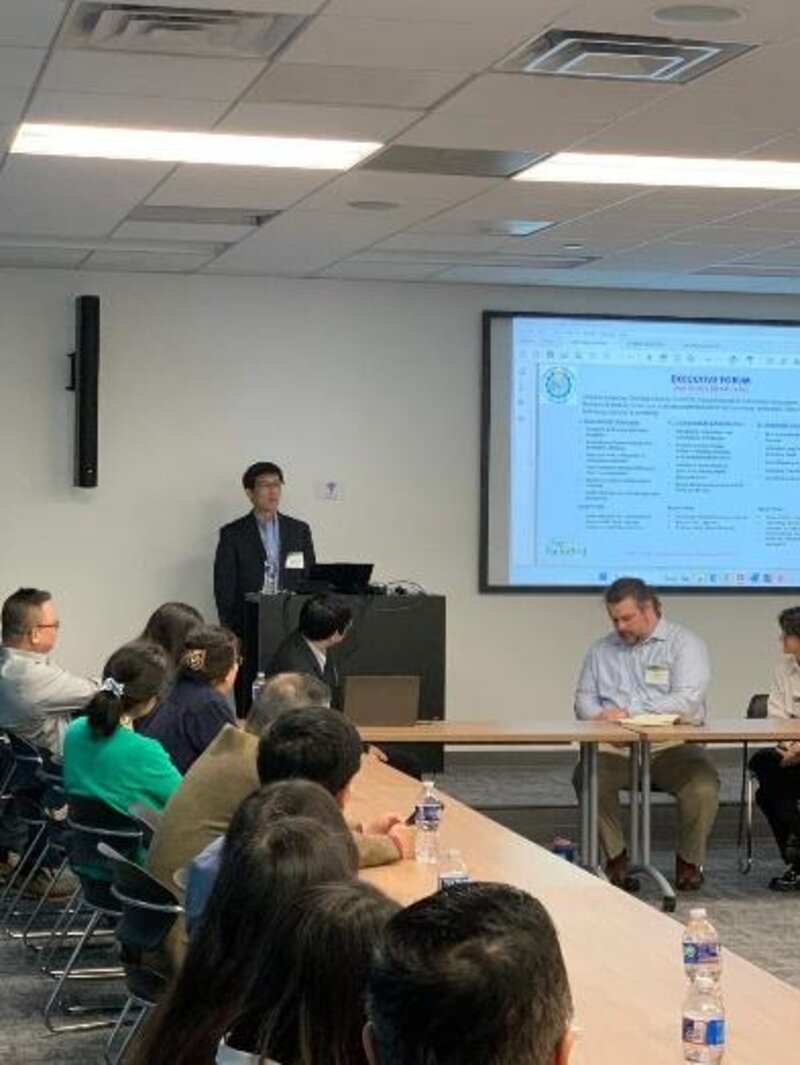
Speakers and participants included E-CACS President Dr. Mingwen Wang, who opened the forum; Dr. Maria Weetall (Sr. VP, PTC Therapeutics); and Ran He, JD (THC Lawyers).
Member Highlight — Dujuan Lu, PhD
E&L Manager / Global Leader, SGS Pharma
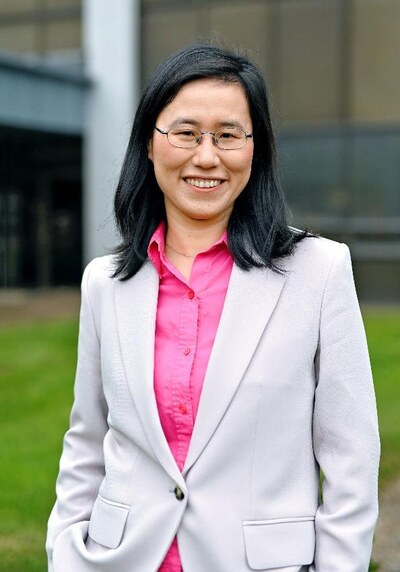
Dr. Dujuan Lu is the immediate past president (2025) of the East Chapter of the Chinese American Chemical Society (E-CACS). She has been actively volunteering at CACS events since 2012 when she was working in the Greater Chicago area, and then actively participating in Tri-state CACS (now named East CACS) events since 2016. She is a life member of CACS and has been serving as the executive board member for E-CACS since January 2022. She was also the recipient of the CACS Rising Star Award in 2023.
Dr. Lu obtained her BS in Chemistry from Nanjing University and her PhD in Analytical Chemistry from the University of Pittsburgh. Since 2015, she has served as the head of the extractables and leachables (E&L) team at SGS Pharma, a world-leading GMP-accredited Contract Research Organization. Prior to joining SGS, she worked at Fresenius Kabi from 2011–2015 as a research scientist, leading E&L projects to support transfusion and infusion medical devices and parenteral products. She has extensive CRO and pharmaceutical/medical device industry experience, with more than 1,000 E&L projects across a broad range of packaging systems including process materials, pharmaceutical finished packaging, and medical devices.
As a subject matter expert in the E&L field, she is a frequent invited speaker and technical session chair at major conferences — with over 50 international presentations including AAPS, CPhI, E&L USA, E&L Summit, Pittcon, and ASMS. She was named one of the top 60 most influential people working in the pharmaceutical industry in The Medicine Maker's 2020 Power List.
Q&A
1) How long have you been an E-CACS member?
I have been actively volunteering at CACS events since 2012 while working in the Greater Chicago area, and then actively participating in Tri-state CACS (now named East CACS) events since 2016. I am currently a life member of CACS and have been serving as the executive board member for E-CACS since January 2022.
2) What role(s) are you currently active in?
I serve as the immediate past president (2025) of E-CACS.
3) How has being part of E-CACS impacted your professional or community work?
I really enjoy all the connections through the E-CACS community. It has been such a great pleasure working with such an amazing team with so many talented professionals who devote their time selflessly to the E-CACS community. Their technical expertise and dedication have motivated me to grow as a better chemist and a better leader.
4) Favorite E-CACS memory or event?
During the E-CACS summer picnic in 2019, my husband Dr. Xing Yin — who is also a lifetime E-CACS member and was a postdoc researcher at Mt. Sinai Hospital at the time — got a chance to meet former E-CACS President (2013) Dr. Wendy Zhong, who later hired him to join her team at Merck. This shows E-CACS events offer great opportunities for networking, which leads to job offers and professional growth.
5) What advice would you give to new E-CACS members?
Please join our E-CACS events to broaden your professional network. You may find your next job through the connections here! Feel free to volunteer for E-CACS if you are interested. You may become the next E-CACS executive board member or even the president one day!
What's New in Chemistry
Academic news
Contributor: Xiaozhou Feng
Neoadjuvant immunotherapy in mismatch repair–deficient cancers
A recent study published by Dr. L.A. Diaz, Jr. in The New England Journal of Medicine highlights a transformative approach to treating mismatch repair–deficient (dMMR) cancers. Researchers investigated neoadjuvant immunotherapy using the PD-1 inhibitor dostarlimab in early-stage solid tumors. Among 117 patients, an impressive 82% achieved a complete clinical response, with most avoiding surgery entirely. In rectal cancer patients, the response rate reached 100%, allowing all treated individuals to pursue nonoperative management. Two-year recurrence-free survival was 92%, underscoring the durability of this strategy. Treatment was well tolerated, with mostly mild and reversible side effects, and circulating tumor DNA showed strong potential for tracking response in real time.
These findings suggest a paradigm shift: for selected patients, immunotherapy alone may replace surgery, preserving organ function and quality of life while maintaining excellent cancer control. Read more
Peritumoural fat as a hidden shield against immunotherapy
A new study in Nature Cell Biology reveals that peritumoural visceral adipose tissue (tVAT) — fat located near colorectal cancers — acts as a hidden shield, helping tumors escape immune attack. Researchers led by Dr. Huai-Qiang Ju found that tVAT is not just passive energy storage. Tumor-derived signals convert nearby adipose stromal cells into "adipose-derived cancer-associated fibroblasts" (adCAFs). These adCAFs secrete large amounts of CXCL12, which attracts CXCR4⁺ immune cells — including tumour-killing CD8⁺ T cells — away from the tumor and into the fat. Essentially, fat competes with cancer for immune cells. Removing tVAT or blocking the CXCL12–CXCR4 axis restored immune infiltration and enhanced anti-PD-1 therapy in mouse models. In patients, larger tVAT areas predicted poorer immunotherapy responses.
Targeting this adipose-driven immune diversion could open new strategies to improve immunotherapy outcomes in colorectal and other visceral cancers. Read more
Industry News
Pharma and biotech
From molecule discovery to market dynamics — Contributor: Jiatong Liu
Advancing RAS Targeting: Clinical Validation and Emerging Challenges in Drug Discovery
Recent Phase 3 results from Revolution Medicines (RVMD) have marked a notable milestone in the long-standing effort to therapeutically target RAS-driven cancers. In a global randomized trial (RASolute 302), the company's investigational pan-RAS inhibitor, daraxonrasib, demonstrated a statistically significant improvement in overall survival for patients with metastatic pancreatic ductal adenocarcinoma (PDAC), a disease with historically limited treatment options.
Patients treated with daraxonrasib achieved a median overall survival of 13.2 months, compared to 6.7 months for those receiving standard chemotherapy — a hazard ratio of 0.40. These findings indicate a substantial reduction in mortality risk and represent one of the more pronounced survival improvements reported in this indication.
RAS as a long-standing challenge. RAS proteins — including KRAS, NRAS, and HRAS — serve as central regulators of cell signaling pathways controlling proliferation and survival. KRAS mutations occur in over 90% of pancreatic cancer cases. RAS remained resistant to direct pharmacological intervention for decades because the protein presents a relatively smooth surface with few well-defined binding pockets, and its high affinity for endogenous ligands (GTP and GDP) further complicates competitive inhibition. Covalent inhibitors targeting KRAS G12C provided the first clinical validation of direct RAS inhibition, but those first-generation agents are limited by mutation specificity and primarily target the inactive, GDP-bound state.
Tri-complex technology. Revolution Medicines' core innovation is a tri-complex platform that addresses the lack of intrinsic binding pockets by inducing the formation of a new druggable interface. A small molecule orchestrates the assembly of a high-affinity ternary complex consisting of the target RAS protein, the small molecule, and a highly abundant intracellular chaperone (such as cyclophilin A or FKBP12). This induced complex creates a composite binding surface that would not exist in the absence of the drug, effectively expanding the accessible chemical space for targeting RAS.
Direct inhibition of RAS(ON). A key advantage of the tri-complex platform is its ability to target the active, GTP-bound form of RAS (RAS(ON)), which is directly responsible for downstream oncogenic signaling. By stabilizing a ternary complex with RAS(ON), the inhibitor sterically occludes the interaction interface between RAS and effector proteins such as RAF, shutting down MAPK signaling. This contrasts with earlier RAS(OFF) inhibitors and offers rapid termination of oncogenic signaling, reduced susceptibility to adaptive resistance, and broader applicability across RAS mutations.
Clinical and translational implications. The Phase 3 results provide important clinical support for direct RAS(ON) inhibition. Open questions remain regarding durability of response, long-term safety and tolerability, and the emergence of resistance mechanisms in broader clinical use. Pancreatic cancer remains one of the most lethal malignancies, and tumor heterogeneity and adaptive signaling networks suggest that combination strategies and continued mechanistic innovation will be required for more durable outcomes.
Positioning within the broader RAS landscape. RAS-targeting strategies now span mutation-specific covalent inhibitors, pan-RAS inhibitors, upstream modulators (e.g., SHP2 inhibitors), and downstream pathway inhibitors (e.g., MEK inhibitors). The tri-complex approach is distinguished by directly engaging the active signaling state of RAS through induced protein–protein interactions.
Implications for chemical biology. The tri-complex platform illustrates a broader evolution in drug discovery toward induced proximity and multi-protein targeting. Such principles may be applicable to other proteins traditionally considered undruggable, including those involved in protein–protein interactions and dynamic signaling assemblies.
Advanced materials
Contributor: Fan Li
The Long Road to Impact: Lessons from BASF's X3D® Catalyst Technology
The world's first production plant for 3D-printed catalysts began operating last week, marking the latest chapter in a roughly 30-year journey that offers a useful perspective for today's deep-tech founders.
On March 19, BASF started commercial production of its X3D® catalyst technology, which uses additive manufacturing to create tailored catalyst geometries that reduce pressure drop while increasing accessible surface area compared with conventional shaping approaches.
The origins of this idea go back to early robocasting research at Sandia National Laboratories in the 1990s, where ceramic slurries were extruded layer by layer to form complex lattice structures. By the early 2000s, researchers began applying these concepts to catalysis, demonstrating that geometry itself could significantly enhance reactor performance. Over time, multiple groups advanced the field — VITO, a Belgian research institute, became a leading player, while BASF developed its own capabilities, including computation-driven geometry optimization. By 2019 the two appeared to be collaborating, as reflected in a joint patent filing.
Commercialization then progressed steadily. Internal validation and early deployments were already underway around 2019, the technology was formally introduced in 2022, and the dedicated production facility has now been commissioned to scale the technology to industrial levels.
A few takeaways stand out: publicly funded research can generate meaningful industrial impact, even if it takes decades; public–private collaboration plays a critical role in translating deep-tech innovations into real-world applications; and for founders, the path from promising proof of concept to full industrial deployment can be much longer than expected, even when everything aligns. How many breakthroughs can trace their impact across a 30-year arc? Read more
Molecular AI
Contributor: Fan Li
Several converging trends are shaping molecular AI this month. Generative molecular design continues to diversify, with diffusion models, language models, and evolutionary search each finding distinct niches across drug discovery and materials. Molecular representations are evolving beyond the static 2D-versus-3D divide, driven by new pretraining and distillation strategies. LLMs are increasingly used not as end-to-end predictors but as reasoning components embedded within optimization and search loops. And a growing thread is the honest reckoning with practical limitations: reward hacking, data bias, and benchmarks exposing gaps in chemical reasoning.
- A Nature Communications paper demonstrates a strikingly simple approach to generative drug design: fine-tune an LSTM chemical language model on increasingly potent subsets of known ligands, with no target protein information at all. The model uses perplexity — the degree to which a molecule deviates from learned potency patterns — as a direct ranking signal. Synthesized designs achieved up to 62-fold experimental potency gains, showing that a well-constructed training curriculum can substitute for explicit structure-activity modeling. Paper
- Most molecular GNNs compress an entire molecule into a single vector by averaging all atom features equally. FPPOOL takes a different approach: it uses molecular fingerprints to guide hierarchical graph pooling, grouping atoms into chemically recognized substructures and aggregating them with attention. The result is a representation that retains substructure-level detail, with notable gains on activity-cliff prediction. Paper
- MolEvolve reformulates molecular optimization as evolutionary search over executable chemical operations grounded as RDKit functions. An LLM serves as the reasoning engine, proposing and evaluating symbolic edits via Monte Carlo Tree Search rather than generating molecules directly. The full optimization trajectory is interpretable and well suited to rugged property landscapes. Paper
- Goodhart's Law applies to molecular AI: push an optimizer hard enough against a surrogate model, and it stops discovering materials and starts gaming predictions. A ChemRxiv preprint quantifies this reward-hacking gap by comparing DFT-validated properties against surrogate predictions across optimization iterations, and uses interpretable motif extraction to show exactly which structural features the optimizer exploits — offering a diagnostic framework for any surrogate-driven molecular design campaign. Paper
Food science & agriculture
Balancing safety, sustainability, and next-generation production — Contributor: Yanpeng Hou
Behind the science of taste modulation
Taste modulation is a critical tool in modern food and beverage innovation, enabling products to deliver balanced, enjoyable flavor while meeting health-driven formulation goals. By precisely managing sweetness, bitterness, saltiness, umami, and mouthfeel, taste modulation helps brands reduce sugar and sodium, improve plant-based and functional products, and maintain sensory appeal without compromising taste.
At its core, taste modulation relies on molecular discovery and natural ingredient science. Small adjustments at the molecular level can significantly change how a product is perceived — softening bitterness, enhancing sweetness, improving smoothness, or extending flavor linger. These solutions are developed through close collaboration between scientists, flavorists, and customers, moving from molecular insight to real, tasteable prototypes across reduced-sugar, low-sodium, plant-based, and no- or low-alcohol products.
As consumer expectations evolve, taste modulation is becoming more data-driven and discovery-focused, integrating sensory science, molecular modeling, and global biodiversity. Clean-label demands, health-focused formulations, and emerging shifts in taste perception all add complexity to flavor design.
Flavor spotlight: Scallion emerges as a "modern savory" hero in 2026
Scallion is moving from a background ingredient to a hero flavor, driven by its versatility, cultural familiarity, and health-forward perception. According to Kerry's 2026 Taste Charts, consumers increasingly favor flavors that balance tradition, wellness, and modern appeal.
- Modern savory appeal: Scallion is gaining traction across global cuisines, evolving into a standout flavor that feels fresh, fragrant, and versatile.
- Tradition meets innovation: Brands are reintroducing traditional ingredients in contemporary formats — for example pairing classic teas with modern flavors or textures.
- Bold experimentation in APAC: Asia-Pacific leads in "category-crossing" innovation, embracing unexpected pairings and intense flavor experiences.
- Regional flavor nuances:
- Middle East: rich, culturally significant flavors like saffron and date continue to grow.
- North America: nostalgic, indulgent flavors such as maple butter are gaining momentum.
- Latin America: local heritage ingredients like purple corn are being reimagined in modern formats.
- Europe: natural and functional botanicals resonate with health-conscious consumers.
The 2026 Taste Charts highlight a global shift toward flavor experiences that blend comfort, creativity, and control — where tradition, wellness, and enjoyment come together in modern, localized expressions. Read more
CO₂ to protein: advancing sustainable food production
Novonesis and the Technical University of Denmark's BRIGHT Biofoundry have partnered to develop microbial systems that convert waste CO₂ into nutritious protein, aiming to create scalable and industrially viable alternatives to conventional protein sources. The collaboration combines BRIGHT's expertise in microbial evolution and automation with Novonesis' long-standing experience in industrial biotechnology to advance circular food production models.
The project focuses on engineering yeast strains capable of efficiently growing on acetate — a CO₂-derived carbon source — rather than traditional sugars. Through adaptive laboratory evolution and metabolic engineering, the teams are improving acetate tolerance, consumption rates, and protein yields while reducing fermentation time and production costs.
According to the partners, CO₂-derived proteins could significantly reduce the environmental footprint of food production, with process simulations suggesting major reductions in greenhouse gas emissions, land use, and water consumption compared to traditional animal- and plant-based proteins. If costs can be brought in line with established protein sources, this technology could help enable more resilient and sustainable global food systems.
Cosmetics & personal care
Bridging science, regulation, and consumer-driven innovation — Contributor: Guangru Mao
2026 AAD Annual Meeting: a pivot toward longevity
The 2026 AAD Annual Meeting was hosted in Denver, Colorado, from March 27 to 31, 2026. According to the conference report, three key themes dominated the clinical landscape:
- The GLP-1 consumer journey: with the rise of weight-loss medications, there is a massive new focus on topicals that address "Ozempic Face" — specifically skin sagging and volume loss resulting from rapid weight loss.
- Longevity over anti-aging: the conversation has officially shifted from superficial "anti-aging" to "life-stage science," focusing on preventative health and cellular longevity.
- The scalp as the "new face": scalp care and hair-loss treatments have moved from niche categories to the core of professional skincare, with dermatology brands now prioritizing head-to-toe clinical care.
Beauty from within
Major U.S. players like Nutrafol, Hum Nutrition, and Ritual are now dominating the market by repositioning supplements as essential "beauty-from-within" tools. The category has been further validated by Ulta Beauty, which has moved these products into a dedicated "Wellness Shop" aisle to integrate ingestibles directly into the prestige beauty shopping experience. Clinical data has become the industry's new baseline, as consumers increasingly demand pharmaceutical-grade proof that supplements deliver visible results for skin and hair. Read more
"Blue longevity" and AI-driven precision
A second industry roundup highlights a shift from traditional anti-aging toward "blue longevity" and AI-driven precision, targeting the 14 biological hallmarks of aging. Key trends include the rise of hair longevity, scalp health, and specialized body care for consumers on GLP-1 weight-loss medications. It also explores "neurocosmetics," where high-performance clinical results are paired with enhanced sensory experiences. Read more
Government agencies
Contributor: Chongsong Xu
Trump nominates Erica Schwartz as CDC director
Who she is. Schwartz served as deputy surgeon general during the first Trump administration, played a major role in the U.S. COVID-19 response, and spent more than 20 years in uniform, including as rear admiral and chief medical officer of the Coast Guard. She holds a medical degree from Brown, a master's in public health, and a law degree.
Why she's seen as a solid choice. The choice is aimed at bringing stability to the CDC after a year of near-constant upheaval that has decimated morale and deeply shaken Americans' faith in the administration's health agenda. Notably, she has no discernible public record opposing vaccinations, which could smooth her journey through the confirmation process — a sharp contrast to some of the earlier nominees.
Early reactions. Former Surgeon General Jerome Adams, who personally selected her as his deputy, called her pick "cautiously optimistic" and said she has "the expertise, credibility, and integrity to lead the CDC effectively." Current CDC staff expressed cautious optimism over her nomination as well.
The challenge ahead. Schwartz would step into the role as the agency grapples with controversial policy changes under Kennedy, including ongoing legal battles over vaccine policy overhauls. The previous confirmed director, Dr. Monarez, was fired in under a month for not going along with Kennedy's agenda — so the real question is whether Schwartz can maintain scientific integrity while surviving politically under RFK Jr.
Overall, she looks like a genuinely qualified public health professional — probably one of the more mainstream and credible picks this administration could have made for the role.
Sponsor Highlight — THC Lawyers

E-CACS greatly appreciates THC Lawyers' generous Gold sponsorship.
Founded in 2017, THC Lawyers is a fast-growing international law firm with offices in New York, Silicon Valley, Toronto, and Vancouver. The firm represents technology-driven companies, investors, and multinational enterprises, delivering practical, business-oriented legal solutions across key global markets.
THC Lawyers advises clients on a broad range of matters with a primary focus on capital markets, venture capital, corporate law, technology law, and litigation. The firm regularly acts for issuers in public and private securities offerings and represents venture capital and institutional investors, as well as emerging-growth companies, in all stages of investment — from early-stage financings to growth equity transactions and strategic exits. Its corporate and technology law practices cover corporate structuring, governance, cross-border transactions, intellectual property protection, and technology licensing.
The firm's litigation practice is a core component of its offering, with deep experience in complex commercial and financial disputes. THC Lawyers handles cross-border litigation, securities disputes, shareholder conflicts, fraud claims, and enforcement of foreign judgments. Its lawyers regularly appear before courts and regulatory authorities in multiple jurisdictions and are experienced in managing high-stakes, multi-forum disputes.
THC Lawyers also provides strategic and investment consulting services to technology companies through its affiliated consulting arm, InnovaNexus Consulting, which supports clients with market entry strategy, cross-border investment structuring, regulatory positioning, and commercialization planning. Leveraging the firm's legal expertise alongside industry and financial insight, InnovaNexus advises startups, growth-stage companies, and investors on fundraising strategy, business model development, and transaction execution.
THC Lawyers serves a diverse client base, including publicly listed technology companies, venture-backed startups, fintech and biopharmaceutical companies, institutional investors, and multinational enterprises. The firm's cross-border team is licensed in the United States (New York and California), Canada (Ontario and British Columbia), and China, enabling seamless advice on transactions and disputes spanning multiple legal systems.